
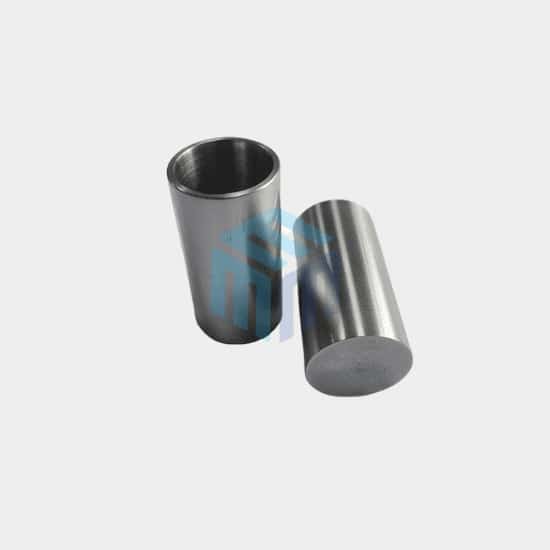
Molybdenum crucibles have become indispensable in industries where extreme temperatures, aggressive environments, and precise processes are the norm. Thanks to their exceptional melting point, excellent thermal conductivity, and remarkable resistance to corrosion and deformation, these crucibles are widely used in everything from crystal growth and glass melting to advanced metallurgical operations. In this blog, we’ll explore the key applications of molybdenum crucibles and understand why they are the material of choice for some of the world’s most demanding industrial and laboratory processes.
- Materials Processing: Molybdenum crucibles are widely used in high-temperature applications such as melting and casting metals, alloys, and other materials. They are suitable for processes involving the production of superalloys, exotic metals, and high-purity materials.
- Single Crystal Growth: Molybdenum crucibles are used in various crystal growth methods, including the Czochralski (CZ) and float-zone (FZ) techniques. They provide a clean and stable environment for growing high-purity single crystals of materials like silicon, sapphire, and other semiconductors.
- Vacuum and High-Temperature Furnaces: Molybdenum crucibles are used in vacuum furnaces and high-temperature furnaces for applications such as sintering, heat treatment, and brazing of materials that require elevated temperatures in controlled atmospheres.
- Chemical Analysis: Molybdenum crucibles are used in analytical chemistry and spectroscopy for sample preparation and chemical analysis. They are suitable for the heating and digestion of samples for analysis.
- Powder Metallurgy: Molybdenum crucibles are used in the sintering and consolidation of metal powders and ceramics in the powder metallurgy process.
- Laboratory Research: Molybdenum crucibles are used in various laboratory applications, including metallurgical research, material testing, and high-temperature experiments.
Molybdenum crucibles also have excellent temperature and atmosphere resistance capacities, although they have slightly lower melting points compared to pure tungsten.
Overview of the Temperature and Atmosphere Resistance of Molybdenum Crucibles
- Temperature Resistance:
- Molybdenum has a melting point of approximately 2,623 degrees Celsius (4,753 degrees Fahrenheit), which is significantly higher than most other common materials.
- Molybdenum crucibles can withstand very high temperatures and are often used in applications that require extreme heat, such as the melting and casting of various metals and alloys.
- Atmosphere Resistance:
- Molybdenum exhibits good resistance to chemical reactions and corrosion in many atmospheric conditions, including inert and reducing gas environments. It is particularly well-suited for use in a vacuum or inert gas.
- However, like tungsten, molybdenum can react with oxygen at elevated temperatures. When exposed to oxygen or oxidizing atmospheres, molybdenum can form molybdenum oxide, which can lead to embrittlement and degradation of the crucible. Therefore, it’s important to limit its use in oxygen-rich environments.
Molybdenum crucibles are commonly used in various high-temperature applications, including the production of sapphire crystals, melting and casting of metals, and thermal evaporation processes. Their combination of high-temperature resistance and resistance to many atmospheres makes them a popular choice for these applications.
As with any material, the specific temperature and atmosphere resistance of molybdenum crucibles can be influenced by factors like crucible size, design, and the presence of impurities. Manufacturers typically provide recommendations for the safe usage of molybdenum crucibles in different environments, so it’s advisable to consult with the manufacturer or supplier to ensure you are using the crucible within its specified resistance limits for your particular application.
Conclusion:
From sapphire crystal growth and high-temperature vacuum furnaces to the production of specialized alloys, molybdenum crucibles prove their unmatched value across a wide range of industries. Their ability to withstand extreme heat and corrosive environments makes them a preferred choice among manufacturers and researchers alike. Whether you require a standard design or a customized molybdenum crucible tailored to your unique process, partnering with reputable molybdenum crucible suppliers ensures consistent quality and reliability. As demand grows for refractory metal molybdenum crucibles, investing in the right Mo crucible can optimize performance, extend equipment life, and support your critical operations.
Molybdenum crucibles are valued for their ability to withstand extreme temperatures and harsh chemical environments, making them essential tools in a range of industries where high-temperature materials processing and materials research are critical.M-Kube Enterprise is an Australian company catering customized laboratory products, laboratory consumables and laboratory solutions in Australia, New Zealand, Singapore, Malaysia, South Korea, India, Dubai, Philippines, Indonesia and Vietnam.