
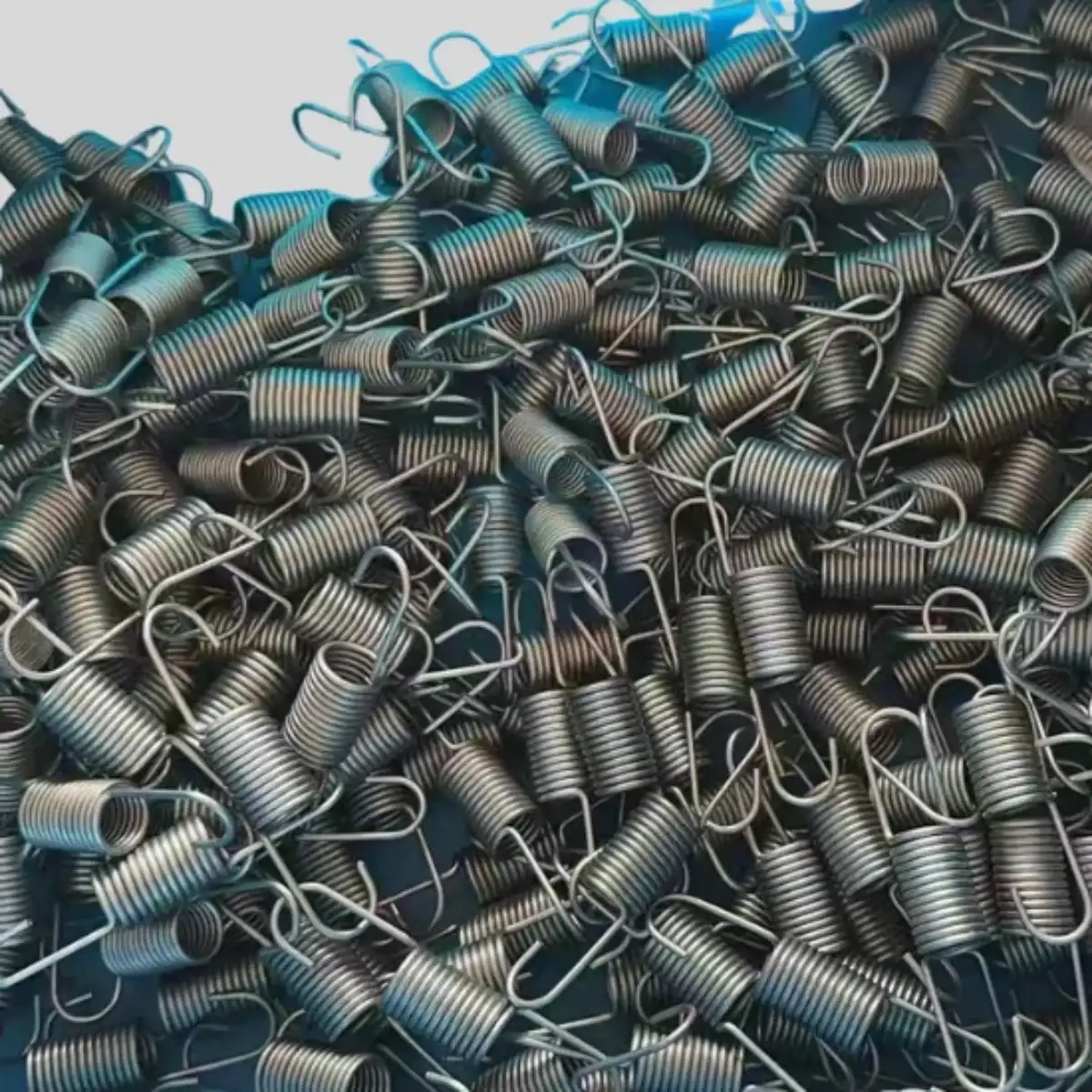
Saltwater environments are among the most aggressive conditions for metal components. From marine equipment and offshore systems to coastal infrastructure and defence applications, corrosion can quickly lead to failure, downtime, and expensive replacements. If you’re dealing with rusted or weakened springs, it may be time to consider titanium springs a high-performance solution designed to withstand harsh, corrosive environments. In this blog, we’ll explore why titanium is the material of choice for saltwater applications and how the right spring design can extend component life.
Why Saltwater Causes Rapid Component Failure
Saltwater contains chlorides that aggressively attack most metals, especially steel and even some stainless steel grades. Over time, this leads to:
- Pitting corrosion
- Stress corrosion cracking
- Reduced mechanical strength
- Premature component failure
Springs are particularly vulnerable because they operate under constant stress. When corrosion combines with mechanical loading, failure can occur much faster than expected.
What Makes Titanium Springs Corrosion-Resistant?
Titanium is well known for its exceptional resistance to corrosion — especially in marine environments.
Titanium springs naturally form a stable oxide layer on their surface. This layer:
- Protects against chloride attack
- Self-heals when scratched or damaged
- Prevents deep material degradation
Unlike traditional alloys, Ti springs maintain their integrity even after prolonged exposure to seawater, making them ideal for long-term use.
Cost vs Value: Are Titanium Springs Worth It?
It’s true that the initial cost to buy titanium spring is higher than standard steel or stainless steel options. However, when evaluating total cost of ownership, titanium often proves more economical due to:
- Longer lifespan
- Reduced maintenance
- Fewer replacements
- Improved system reliability
In saltwater environments, the cost of failure can far exceed the upfront investment.
Conclusion: Invest in Reliability, Not Replacement
Saltwater corrosion is a serious challenge that can compromise equipment performance and safety. Upgrading to titanium springs provides a long-term solution that combines corrosion resistance, strength, and durability.
Whether you need titanium compression springs, titanium torsion springs, titanium coil spring or fully custom titanium spring, choosing the right material can significantly reduce maintenance costs and improve system reliability.
Dealing with corrosion issues?
👉 📞 Contact +61-478-594-746 or 📧 email info@mkube.com.au for high-quality titanium springs designed for demanding marine environments in Australia.