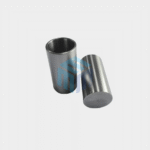



In high-temperature labs and chemical process industries, platinum rods, platinum pipes, and platinum tubes are essential components. They’re prized for their unmatched resistance to corrosion, thermal stability, and chemical inertness.
However, not all platinum is created equal. Using low-grade or impure platinum rods can cause serious performance issues — from contamination in analytical results to premature equipment failure. In this blog, we’ll explore what really happens when substandard platinum is used, how to identify quality material, and why investing in pure platinum rods offers the best return in the long run.
Why Purity Matters in Platinum Components
Platinum’s strength lies in its exceptional chemical stability, oxidation resistance, and mechanical durability. Whether in thermocouple sheaths, evaporation boats, chemical reactors, or analytical crucibles, platinum must endure harsh environments without degradation.
But impurities — even fractions of a percent — can change everything. Trace contaminants like rhodium, palladium, or base metals can alter platinum’s structure and reduce its melting point, directly affecting performance.
The Hidden Risks of Low-Grade Platinum Rods
| Risk Type | Effect on Performance | Long-Term Impact |
|---|---|---|
| Contamination | Impure platinum may leach trace elements into melts or chemical samples. | Leads to inaccurate lab results or product contamination. |
| Reduced Melting Point | Even small impurities can lower melting point by several degrees. | Causes deformation, pitting, or structural failure. |
| Weakened Mechanical Strength | Alloyed contaminants reduce ductility and creep resistance. | Premature breakage under thermal cycling. |
| Surface Oxidation | Non-platinum inclusions oxidise faster. | Creates blackened, brittle surfaces. |
| Economic Loss | Frequent replacements, re-calibration, downtime. | Higher operational cost than investing in pure platinum. |
How to Identify High-Quality Platinum Rods and Tubes
Signs of Reliable Platinum Products
When buying platinum pipes or platinum tubes for sale, always check:
- Purity certificate (≥99.95%) from the platinum rod supplier
- Density verification — true platinum has a density of 21.45 g/cm³
- Surface finish — uniform, free of discoloration or micro-cracks
- Origin traceability — reputable suppliers offer batch trace documentation
Platinum Tube Sizes and Applications
Platinum tubes are available in various diameters (typically 0.5 mm – 20 mm) and lengths depending on application — analytical instrumentation, thermocouple protection, and high-temperature gas delivery.
If you’re comparing platinum tube price options, note that price variations often reflect purity level and processing quality — not all “platinum” is equally pure or durable.
Platinum Rods Cost Factor — Why “Cheap” Isn’t Always Economical
At first glance, low-grade platinum rods or budget platinum pipes seem like a cost-saving solution. But over time, the costs of material degradation, contamination, and replacements far outweigh initial savings.
For example:
- A pure platinum rod lasts 3–5× longer in continuous high-temperature service.
- Low-grade rods often deform or crack after repeated heating cycles.
- Even minimal contamination can compromise analytical accuracy in laboratories, forcing repeat testing and lost time.
In short — the real platinum tube price includes purity, durability, and reliability.
Why Choose a Trusted Platinum Rod Supplier
Choosing a certified platinum rod supplier ensures:
- Verified purity documentation
- Controlled manufacturing conditions
- Consistent mechanical and thermal properties
When you buy platinum pipes or rods from a reliable source, you invest in longevity, precision, and stable performance — essential for Australian labs and industrial users aiming for repeatable results.
Conclusion
Using low-grade platinum rods or tubes might seem like a minor compromise, but the hidden risks — contamination, deformation, and financial loss — can significantly impact laboratory and industrial operations. Investing in pure platinum rods, platinum pipes, or high-grade platinum tubes ensures longevity, reliability, and better ROI over time.
If your lab or plant relies on platinum components, choose trusted suppliers who guarantee certified purity and consistent quality — because when it comes to platinum, purity equals performance.
References:
1) What challenges are unique to platinum electroplating compared to other metals? (Proplate)
2) What is the purity of the platinum wire/rod electrode? The 99.99% Standard for Reliable Electrochemistry (Kintek Solution)