
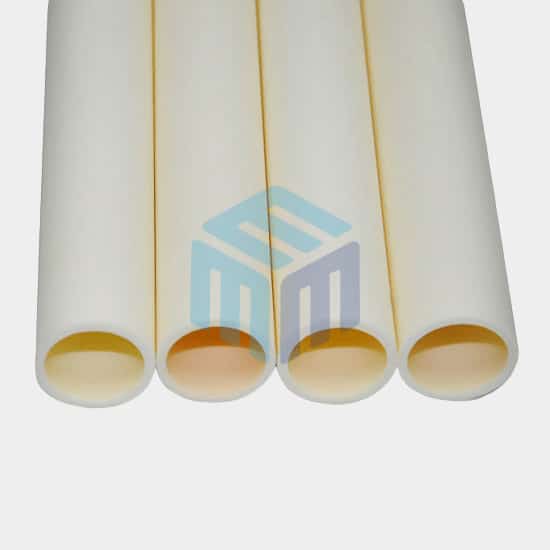
Alumina tubes are widely used in high-temperature applications due to their excellent thermal stability and corrosion resistance. Whether you’re operating a research lab or an industrial furnace, understanding how to use these ceramic components effectively ensures both safety and durability. In this guide, we’ll explore how to maximise the life of alumina furnace tubes, the best practices for their usage, and how to source the right alumina tube suppliers in Australia.
Understanding Alumina Tubes and Their High-Temperature Properties
Alumina (Al₂O₃) is a ceramic material prized for its strength, thermal resistance, and insulation properties. Alumina tubes are commonly used in scientific and industrial furnaces due to their:
- High-temperature resistance up to 1800°C
- Excellent electrical insulation
- Resistance to corrosion and chemical attack
- Mechanical strength at elevated temperatures
Alumina tubes are available in various dimensions, with alumina tubes sizes ranging from a few millimetres in diameter for lab-scale use to several centimetres for industrial-scale operations.
When choosing an alumina tube for furnace applications, it’s crucial to match the material’s purity and grain size with your temperature and chemical exposure requirements.
Selecting the Right Alumina Purity Grade
Choosing the correct alumina purity grade is important for achieving long-term performance in high-temperature applications. Higher alumina content generally provides better thermal stability, chemical resistance, and durability.
| Alumina Purity | Typical Application | Temperature Performance |
|---|---|---|
| 95% Alumina | General industrial applications | Moderate temperature resistance |
| 99% Alumina | Tube furnaces and laboratory use | High thermal stability |
| 99.8% Alumina | High-purity and advanced processing | Excellent high-temperature performance |
Selecting the appropriate purity grade helps improve reliability, reduce failure risks, and extend alumina tube lifespan.
Common Causes of Alumina Tube Failure at High Temperatures
Alumina tubes can fail during long-term high-temperature operation due to thermal, mechanical, and environmental factors. Understanding these causes helps improve reliability and extend tube life.
Common causes include:
- Thermal shock: Rapid heating or cooling creates internal stress and cracking
- Improper mounting: Tight clamping or poor support causes mechanical stress
- Mechanical damage: Impact during handling or installation may create cracks
- Atmosphere exposure: Reactive environments can affect long-term performance
- Overheating: Operating above recommended temperatures may reduce tube strength
Proper operating practices and temperature control help minimize these failures.
Thermal Shock Prevention for Long-Term Alumina Tube Use
Thermal shock is one of the main reasons for alumina tube cracking in high-temperature applications. Preventing sudden temperature changes helps improve durability and service life.
Best practices for thermal shock prevention include:
- Use gradual heating and cooling rates
- Maintain uniform temperature distribution inside the furnace
- Avoid inserting cold materials into hot systems
- Preheat samples and accessories when required
- Reduce rapid thermal cycling during operation
Controlled temperature management helps reduce stress, prevent cracking, and extend alumina tube lifespan.
Proper Handling and Storage of Alumina Tubes
Alumina tubes are brittle and can easily crack if mishandled or dropped. It is important to handle them with care and avoid any sudden impacts or jolts. During storage, they should be kept in a dry and clean environment to prevent any contamination or damage.
Preheating
Alumina tubes should be preheated gradually to avoid thermal shock. Rapid temperature changes can cause cracking or even complete failure of the tube. It is recommended to heat the tube slowly at a rate of 100°C per hour until it reaches the desired temperature.
Cleaning
Before using alumina tubes at high temperatures, it is important to clean them thoroughly to remove any impurities or residues. Any foreign material on the surface of the tube can cause contamination or blockages during use. A combination of solvents, detergents, and/or acid solutions can be used to clean the tubes. However, it is important to note that the cleaning process should not damage the tube.
Avoid thermal cycling
Repeated thermal cycling can cause stress on the alumina tube and lead to cracking or even complete failure. To avoid this, it is recommended to use the alumina tube at a steady temperature without any sudden changes.
Proper support and placement
When using alumina tubes at high temperatures, it is important to ensure proper support and placement to prevent any bending or warping. The tube should be placed on a stable and level surface, and any clamps or supports used should be made of materials that can withstand high temperatures.
Cooling
After use, it is important to cool the alumina tube slowly to avoid thermal shock. Rapid cooling can cause cracking or even complete failure of the tube. It is recommended to allow the tube to cool gradually at a rate of 100°C per hour until it reaches room temperature.
In conclusion, alumina tubes are an excellent choice for high-temperature applications due to their exceptional thermal and chemical properties. Proper handling, preheating, cleaning, avoiding thermal cycling, proper support and placement, and cooling are essential to ensure optimal performance and longevity of the tube. By following these guidelines, you can ensure the safe and effective use of alumina tubes in your high-temperature.
Service Life Extension Tips for Alumina Tubes
Proper handling, temperature control, and maintenance practices can significantly improve the service life of alumina tubes in high-temperature applications.
Best practices to extend alumina tube life include:
- Use controlled heating and cooling cycles to reduce thermal stress
- Ensure proper support and alignment during installation
- Select the appropriate alumina purity grade for the application
- Inspect regularly for cracks, chipping, and surface damage
- Maintain a clean operating environment to minimize contamination
- Avoid exceeding recommended operating temperatures
Following these practices helps improve durability, reduce failure risks, and maximize long-term alumina tube performance.
Common Applications of Alumina Furnace Tubes
Alumina tubes play a vital role across various high-temperature applications in Australian industries:
- Laboratory Furnaces: As sample holders or reactors in material research.
- Thermocouple Protection: Encasing temperature sensors in extreme conditions.
- Powder Metallurgy: Acting as a barrier between furnace gases and materials.
- Semiconductor Processing: Withstanding reactive atmospheres in controlled environments.
- Ceramic Sintering: Serving as support tubes in kilns or horizontal tube furnaces.
Whether you’re sourcing ceramic tubes for furnaces for academic labs or industrial manufacturing, choosing the right size and specification is critical.
Choosing Trusted Alumina Tube Suppliers
Finding dependable alumina tube suppliers in Australia is essential to ensure quality, consistency, and supply reliability. When evaluating a supplier, consider the following:
- Product Range: Do they offer a wide variety of alumina tubes sizes for different applications?
- Material Purity: High-purity alumina (≥99.8%) is ideal for high-temp applications.
- Customisation Options: Can they fabricate custom lengths, diameters, or closed-end tubes?
- Technical Support: Do they offer consultation or guidance on furnace compatibility?
At M-Kube Enterprise, we supply premium alumina furnace tubes backed by reliable customer service, fast delivery across Australia, and in-depth product expertise.
Conclusion
Alumina tubes are indispensable in high-temperature processes across research, manufacturing, and analytical laboratories. By understanding their properties, adhering to usage best practices, and sourcing from trusted alumina tube suppliers, users can achieve exceptional performance and long service life.
Looking for high-quality alumina tube for furnace use in Australia?
📞 Call us at +61478594746
📧 Email: info@mkube.com.au
🌐 Explore more at www.mkube.com.au