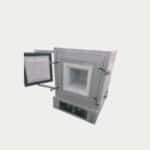

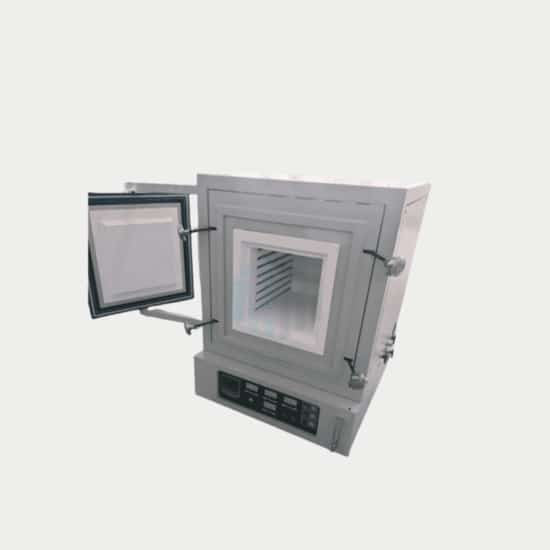
An atmosphere furnace is designed to provide controlled heating while protecting materials from unwanted oxidation, contamination, decarburisation, or other reactions that can occur during high-temperature processing. By introducing a controlled gas environment such as nitrogen, argon, or hydrogen, these furnaces can provide greater control over specialised heat-treatment processes.
However, maintaining the furnace properly is essential for achieving consistent temperature performance, reliable atmosphere control, safe operation, and long equipment life.
A structured maintenance program should not only address the heating chamber but also the gas supply, seals, thermocouples, control system, cooling system, exhaust, and safety devices.
This guide provides a practical daily, weekly, monthly, and annual atmosphere furnace inspection checklist for laboratories, research facilities, manufacturing plants, and heat-treatment operations.
Important: Maintenance procedures vary by furnace design, gas type, temperature, and manufacturer. Always follow the equipment manufacturer’s service and safety instructions, particularly when working with hydrogen or other combustible gases.
Why Atmosphere Furnace Maintenance Is Important
A controlled atmosphere furnace combines several systems that must work together:
- Heating elements
- Insulation
- Temperature controllers
- Thermocouples
- Gas inlet system
- Gas flow controls
- Chamber seals
- Exhaust system
- Safety interlocks
- Cooling systems
Failure of one component can affect the entire process.
For example, a small leak in the chamber may allow oxygen to enter, potentially changing the processing atmosphere and causing oxidation of the workpiece.
Regular maintenance helps:
- Maintain temperature uniformity
- Reduce gas leakage
- Improve atmosphere stability
- Protect heating elements
- Reduce unplanned downtime
- Extend furnace service life
- Improve process repeatability
- Support safe operation
Understanding the Main Components to Inspect
Before establishing a maintenance schedule, it is useful to understand the major components of a controlled atmosphere heat treatment furnace.
Heating System
Heating elements provide the thermal energy required to reach and maintain the process temperature.
Insulation
Ceramic fibre, refractory brick, or other insulation materials reduce heat loss and protect the furnace structure.
Thermocouples
Thermocouples monitor chamber temperature and provide feedback to the temperature controller.
Gas System
The gas system controls the flow of nitrogen, argon, hydrogen, or another process atmosphere.
Chamber and Seals
The chamber must remain sufficiently sealed to maintain the desired atmosphere and prevent unwanted air ingress.
Control System
The controller, sensors, power electronics, and safety interlocks regulate the furnace operation.
Daily Atmosphere Furnace Maintenance Checklist
Daily inspections should focus on obvious problems that could affect safety or process performance.
- Inspect the Furnace Exterior
Check for:
- Visible damage
- Loose panels
- Unusual discolouration
- Excessive heat around the cabinet
- Damaged electrical cables
- Unusual sounds or smells
Do not operate equipment showing obvious damage until it has been assessed by an appropriately qualified person.
- Check the Furnace Chamber
Before loading the furnace, visually inspect the chamber when it is safe to do so.
Look for:
- Cracked insulation
- Loose refractory material
- Excessive deposits
- Damaged hearth surfaces
- Foreign materials
- Signs of contamination
A clean chamber helps prevent cross-contamination between processes.
- Check Gas Connections
For an inert atmosphere furnace, inspect the gas supply and connections.
Check:
- Gas cylinders or supply lines
- Regulators
- Tubing
- Valves
- Fittings
- Flow meters
- Connections
Look for signs of leakage or physical damage.
Never attempt to identify gas leaks using unsafe methods. Use an appropriate leak-detection procedure recommended by the equipment or gas supplier.
- Check Gas Flow
Confirm that the selected process gas is flowing at the required rate.
For a nitrogen atmosphere furnace, verify that:
- Nitrogen supply is available
- Flow rate is within the process specification
- Inlet lines are secure
- Flow-control equipment operates correctly
Record abnormal readings rather than simply adjusting the system without investigating the cause.
- Inspect the Temperature Display
Before starting a process, check that the temperature controller and display are functioning normally.
Look for:
- Unexpected temperature readings
- Sensor errors
- Alarm messages
- Unstable temperature indications
Weekly Atmosphere Furnace Maintenance Checklist
Weekly inspections should be more detailed than daily checks.
- Inspect Door and Chamber Seals
Check seals for:
- Cracking
- Hardening
- Compression damage
- Deformation
- Contamination
Damaged seals can allow atmospheric leakage and make it difficult for the furnace to maintain the required environment.
- Inspect Thermocouples
Check thermocouples for:
- Mechanical damage
- Excessive oxidation
- Contamination
- Loose connections
- Unusual temperature readings
Thermocouples are critical components in any controlled atmosphere muffle furnace, so deterioration can affect temperature control and process consistency.
- Check Heating Elements
Where the furnace design permits visual inspection, check heating elements for:
- Cracks
- Sagging
- Excessive oxidation
- Breakage
- Unusual deformation
Heating elements should be inspected only when the furnace is safely isolated and at an appropriate temperature.
- Check Exhaust and Ventilation
Inspect the exhaust system for:
- Blockages
- Deposits
- Loose connections
- Unusual fumes
- Restricted flow
The exhaust arrangement is particularly important when using reactive or combustible gases.
Monthly Atmosphere Furnace Maintenance Checklist
Monthly maintenance should include a more systematic inspection of furnace performance.
- Check Temperature Uniformity
Compare actual furnace performance with the expected temperature profile.
Depending on the furnace and process requirements, temperature uniformity testing may be performed using appropriate calibrated instrumentation.
Unexpected temperature variations may indicate:
- Heating-element degradation
- Insulation deterioration
- Sensor problems
- Controller issues
- Poor loading practices
- Inspect Insulation
Look for:
- Cracks
- Compression
- Fibre deterioration
- Gaps
- Contamination
Damaged insulation can increase energy consumption and reduce temperature stability.
- Inspect Gas Flow-Control Components
Inspect:
- Flow meters
- Mass-flow controllers
- Regulators
- Solenoid valves
- Gas tubing
- Connectors
For a controlled atmosphere heat treatment furnace, stable gas flow is essential for maintaining repeatable processing conditions.
- Inspect Electrical Connections
Qualified personnel should inspect accessible electrical connections for:
- Loose terminals
- Heat damage
- Discolouration
- Damaged insulation
- Signs of arcing
Electrical maintenance should always follow appropriate isolation and safety procedures.
- Review Furnace Logs
Review operating records for trends such as:
- Increasing heat-up time
- Increasing gas consumption
- Temperature overshoot
- Increasing alarm frequency
- Longer cooling periods
- Repeated process deviations
These trends can provide early warning of developing problems.
Annual Atmosphere Furnace Inspection Checklist
Annual inspection should be considerably more comprehensive and should generally involve qualified service personnel where required.
- Temperature Calibration
Verify temperature measurement and control using calibrated equipment appropriate for the furnace.
Calibration helps ensure that the displayed temperature corresponds accurately to the actual process temperature.
- Thermocouple Assessment
Inspect thermocouples for:
- Accuracy
- Drift
- Mechanical condition
- Connection integrity
- Remaining service life
Replace sensors according to condition, calibration requirements, and manufacturer recommendations.
- Heating Element Inspection
Evaluate:
- Element resistance
- Physical condition
- Electrical connections
- Remaining life
- Temperature performance
Replacing heavily deteriorated elements before failure can reduce unexpected downtime.
- Chamber Leak Testing
For applications requiring controlled atmospheres, chamber integrity should be checked periodically.
Leak testing can help identify:
- Door seal deterioration
- Cracked fittings
- Damaged tubing
- Loose connections
- Chamber leakage
This is especially important for processes where oxygen contamination can affect the finished product.
- Gas Safety System Inspection
Inspect safety devices associated with the gas system.
Depending on furnace configuration, this may include:
- Gas shut-off systems
- Pressure switches
- Flow monitoring
- Purge systems
- Interlocks
- Alarms
- Emergency shutdown systems
Hydrogen systems require particular attention because hydrogen is flammable. A hydrogen atmosphere furnace should only be operated with appropriately designed equipment and safety systems.
Special Maintenance for Nitrogen Atmosphere Furnaces
A nitrogen atmosphere furnace is commonly used when an inert or controlled environment is required.
Typical applications include:
- Heat treatment
- Annealing
- Brazing
- Sintering
- Materials research
- Powder processing
Maintenance should focus on maintaining gas purity and preventing air ingress.
Important checks include:
- Nitrogen supply pressure
- Gas flow rate
- Chamber seals
- Gas tubing
- Flow controllers
- Purge operation
- Exhaust system
If oxygen contamination is critical to the process, an appropriate oxygen-monitoring system may also be required.
Special Maintenance for Hydrogen Atmosphere Furnaces
A hydrogen atmosphere annealing furnace can provide a reducing environment for specialised heat-treatment and annealing processes.
Hydrogen, however, requires substantially greater attention to safety than inert gases.
A hydrogen atmosphere furnace should have appropriately engineered:
- Gas controls
- Purging systems
- Interlocks
- Ventilation
- Leak detection
- Exhaust arrangements
- Emergency shutdown systems
Do not improvise hydrogen-gas connections or modify safety systems.
Maintenance and inspection should be carried out according to the furnace manufacturer’s procedures and applicable safety requirements.
Atmosphere Box Furnace Maintenance
An atmosphere box furnace is designed with a chamber configuration that allows controlled gas processing while maintaining a relatively compact furnace footprint.
Typical maintenance areas include:
- Door seals
- Chamber lining
- Gas inlet
- Gas outlet
- Heating elements
- Thermocouples
- Controller
- Flow-control system
Because box furnaces may be used for frequent batch processing, regular chamber cleaning and seal inspection can be particularly useful.
How to Extend the Life of a Controlled Atmosphere Furnace
Regular inspections are only part of good furnace maintenance.
Avoid Overloading
Use Appropriate Crucibles and Fixtures
Keep the Chamber Clean
Monitor Process Trends
Replace Worn Components Proactively
Choosing an Atmosphere Furnace Supplier
A reliable atmosphere furnace supplier should provide more than the furnace itself.
When selecting an equipment supplier, consider:
- Maximum operating temperature
- Working chamber dimensions
- Gas compatibility
- Temperature uniformity
- Atmosphere control
- Flow-control options
- Safety interlocks
- Heating-element type
- Controller capabilities
- Service and spare-parts availability
For specialised applications, discuss the required gas atmosphere and process conditions with the supplier before selecting the furnace.
Conclusion
A well-maintained atmosphere furnace is essential for achieving reliable temperature control, stable gas conditions, repeatable processing, and long equipment life.
A structured maintenance schedule makes it easier to identify developing problems before they become expensive failures. Daily checks should focus on basic operating conditions, while weekly and monthly inspections should examine seals, thermocouples, heating elements, insulation, gas systems, and electrical components. Annual servicing should include more comprehensive calibration, leak testing, safety-system verification, and component assessment.
Whether you operate an inert atmosphere furnace, nitrogen atmosphere furnace, atmosphere box furnace, or hydrogen atmosphere annealing furnace, maintenance should always be adapted to the furnace design and process atmosphere.
For hydrogen systems in particular, safety must remain the highest priority.
With proper inspection, documentation, and preventative maintenance, a controlled atmosphere heat treatment furnace can provide consistent performance and dependable operation across demanding laboratory and industrial applications.
Looking for a reliable atmosphere furnace, controlled atmosphere furnace, or controlled atmosphere heat treatment furnace for laboratory and industrial applications?
📞 Contact +61-478-594-746 or 📧 email info@mkube.com.au for atmosphere furnace solutions designed for controlled heating, inert-gas processing, heat treatment, annealing, and other high-temperature applications.