
In modern healthcare, material science plays a critical role in improving patient outcomes. From surgical implants to advanced diagnostic tools, the choice of material directly impacts safety, durability, and performance. One material gaining increasing attention in this space is niobium particularly in the form of niobium rods and niobium bars.
Known for its excellent biocompatibility and corrosion resistance, niobium is helping bridge the gap between laboratory research and real-world surgical applications. In this blog, we explore how niobium rods, niobium tubes, and related forms are contributing to healthcare innovation.
Why Advanced Materials Matter in Medical Applications
Medical devices and implants must meet strict requirements:
- Biocompatibility with human tissue
- Resistance to corrosion in bodily fluids
- Mechanical stability under stress
- Long-term durability
Traditional materials like stainless steel and titanium are widely used, but newer materials like niobium are emerging as strong alternatives — especially in specialised applications.
What Makes Niobium Suitable for Healthcare?
Niobium is a refractory metal with unique properties that make it ideal for medical use.
Key advantages of niobium rod and niobium round bar materials include:
- Excellent biocompatibility
- High resistance to corrosion in physiological environments
- Non-toxic and non-reactive nature
- Good mechanical strength and ductility
- Compatibility with advanced coatings and alloys
These properties make niobium bars suitable for both implantable devices and surgical tools.
Biocompatibility: Safe Interaction with the Human Body
One of niobium’s biggest advantages is its ability to integrate safely with biological systems.
Niobium rods:
- Do not trigger adverse immune responses
- Resist ion release into the body
- Support long-term implantation
This makes them suitable for applications such as orthopaedic implants, dental components, and prosthetic devices.
Corrosion Resistance in Medical Environments
The human body is a highly corrosive environment due to the presence of fluids and electrolytes.
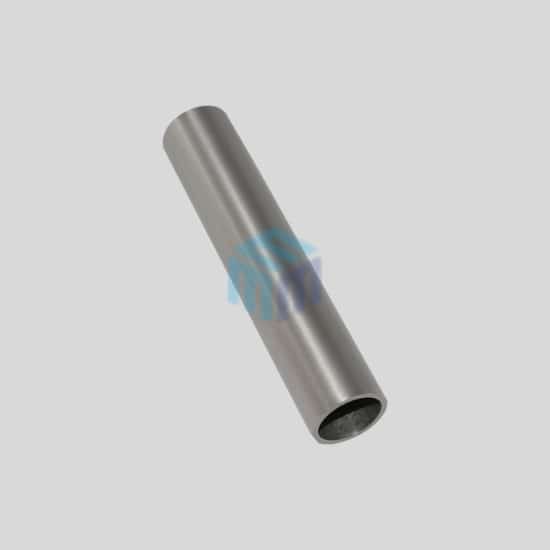
Niobium pipe and niobium tubes offer:
- Strong resistance to oxidation
- Stability in saline conditions
- Long-term structural integrity
Compared to some traditional alloys, niobium maintains its properties over extended periods, reducing the risk of implant degradation.
Role of Niobium in Coatings and Alloys
Niobium is often used in combination with other metals to enhance performance.
For example:
- Niobium-titanium alloys improve strength and flexibility
- Niobium coatings enhance corrosion resistance
- Surface-modified niobium rods improve osseointegration (bone bonding)
These innovations are helping push the boundaries of implant technology and surgical performance.
Cost vs Performance: Is Niobium Worth It?
When evaluating niobium tube price or rod cost, it’s important to consider long-term value.
While niobium may have a higher upfront cost compared to standard materials, it offers:
- Longer lifespan
- Reduced risk of failure
- Lower maintenance and replacement costs
- Improved patient safety
For high-value medical applications, performance and reliability outweigh initial cost considerations.
Conclusion: A Material Driving the Future of Healthcare
From laboratory research to life-saving surgical applications, niobium rods and niobium tubes are playing an increasingly important role in healthcare innovation.
With their unique combination of biocompatibility, corrosion resistance, and mechanical strength, niobium-based materials are helping improve implant reliability, enhance patient safety, and support the next generation of medical technologies.
As the demand for advanced materials grows, niobium is set to become a key player in the future of medical science.
Looking for high-quality niobium rods or tubes for medical applications?
👉 📞 Contact +61-478-594-746 or 📧 email info@mkube.com.au for precision-engineered solutions across Australia.