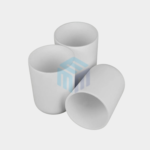



An aluminum nitride crucible is a high-performance ceramic solution trusted in semiconductor processing, metal melting, crystal growth, and advanced materials research. With its excellent thermal conductivity, electrical insulation, and resistance to molten metals, the AlN crucible is often chosen for demanding high-temperature applications.
However, despite its advantages, improper handling or incorrect application can lead to cracking, contamination, and costly downtime. In this guide, we’ll cover the most common mistakes when using an aluminum nitride ceramic crucible and how to avoid expensive failures.
Rapid Thermal Shock Without Preheating
Although aluminum nitride offers excellent thermal conductivity, sudden temperature spikes can cause stress fractures especially in larger crucibles.
Common mistake:
Placing a room-temperature crucible directly into a preheated furnace.
How to avoid it:
- Use gradual ramp-up heating cycles.
- Preheat crucibles when possible.
- Avoid direct flame or localised heating.
A reliable aluminum nitride crucible supplier will often provide recommended heating profiles to prevent premature cracking.
Overloading the ALNCrucible Beyond Its Structural Limits
Even high-performance ceramics have mechanical limits.
Common mistake:
Using thin-wall crucibles for heavy molten metal loads.
How to avoid it:
- Match wall thickness to application load.
- Consider a custom aluminum nitride crucible with reinforced base thickness for heavy-duty applications.
- Evaluate both thermal and mechanical requirements before purchase.
Choosing solely based on aluminum nitride crucible price instead of structural design often leads to higher replacement costs later.
Using Incompatible Materials or Atmospheres
AlN performs exceptionally well in inert or vacuum environments. However, exposure to certain oxidising or reactive atmospheres at high temperatures can affect longevity.
Common mistake:
Operating in uncontrolled atmospheres without verifying compatibility.
How to avoid it:
- Confirm atmosphere compatibility with your supplier.
- Use controlled furnace environments.
- Avoid prolonged exposure to oxidising gases at extreme temperatures.
When searching for an aluminum nitride crucible for sale, always verify the recommended operating environment.
Improper Handling and Mechanical Impact- Aluminum Nitride Crucibles
Ceramics are strong under compression but vulnerable to impact damage.
Common mistake:
Stacking crucibles carelessly or handling without proper support.
How to avoid it:
- Use padded storage trays.
- Avoid direct contact between crucibles.
- Handle using both hands and proper support tools.
Even minor microcracks can propagate during high-temperature operation, leading to sudden failure.
Ignoring Surface Inspection Before Reuse: ALN Crucibles
Repeated high-temperature cycles can cause surface degradation, microcracks, or subtle structural changes.
Common mistake:
Reusing crucibles without inspection.
How to avoid it:
- Inspect for visible cracks or surface changes.
- Check for discoloration or structural distortion.
- Replace crucibles showing early signs of damage.
While extending usage may seem cost-effective, unexpected failure during a critical experiment can result in far greater losses.
Conclusion: Prevention Is More Cost-Effective Than Replacement
An aluminum nitride crucible is a premium ceramic solution designed for demanding high-temperature environments. However, improper storage, rapid heating, mechanical mishandling, or ignoring atmosphere compatibility can lead to costly failures.
By understanding the material’s properties and working with a trusted aluminum nitride crucible supplier, laboratories and manufacturers can significantly extend crucible lifespan and avoid unnecessary downtime.
Choosing quality, proper handling, and the right design ensures your AlN crucible delivers reliable performance for years.
📞 Contact +61-478-594-746 or 📧 email info@mkube.com.au for expert guidance and high-quality aluminum nitride crucible solutions in Australia.
References:
Aluminum Nitride: Properties and Applications (ScienceDirect)