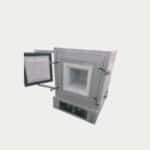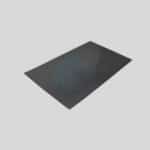

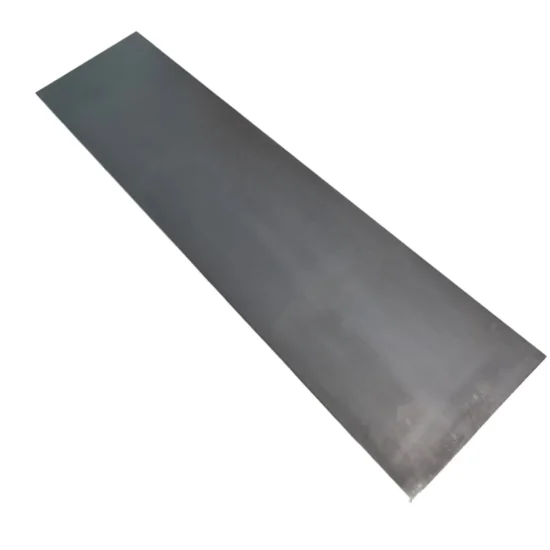
High-temperature furnaces are widely used in industries such as metallurgy, ceramics, semiconductor manufacturing, heat treatment, and materials research. In these demanding environments, efficient thermal insulation is essential for reducing heat loss, improving temperature uniformity, and lowering operating costs. One material that has become increasingly popular for furnace insulation is the graphite sheet.
Thanks to its excellent thermal stability, lightweight structure, and resistance to extreme temperatures, graphite-based insulation materials are widely used in modern furnace designs. But with options such as graphite foil, flexible graphite sheet, and expanded graphite sheet available, how do you choose the right material for your application?
Let’s explore the key factors to consider.
Why Graphite Sheets Are Used in High-Temperature Furnaces
Traditional insulation materials can degrade, shrink, or lose effectiveness when exposed to repeated thermal cycles. Graphite-based materials offer several advantages.
Key benefits include:
- Excellent thermal resistance
- Low thermal conductivity in specific orientations
- Lightweight construction
- High-temperature stability
- Resistance to thermal shock
- Long service life
These properties make graphite sheets ideal for furnace liners, insulation systems, and thermal management applications.
Understanding the Different Types of Graphite Sheets
Not all graphite materials are designed for the same purpose.
Flexible Graphite Sheet
A flexible graphite sheet is manufactured from compressed expanded graphite.
Benefits include:
- Excellent conformability
- Easy installation
- Good thermal insulation properties
- Resistance to thermal cycling
Flexible graphite is often used in furnace insulation packages and sealing applications.
Expanded Graphite Sheet
An expanded graphite sheet is produced by treating natural graphite to create a low-density, thermally resistant structure.
Advantages include:
- Lightweight design
- Excellent thermal insulation
- Good resistance to oxidation when properly protected
- Effective heat retention
This material is commonly used as insulation layers within vacuum and inert atmosphere furnaces.
Graphite Foil
Graphite foil is a thin, flexible graphite material often used where space constraints exist.
Applications include:
- Thermal shields
- Heat barriers
- Furnace insulation assemblies
- High-temperature gasketing
Its flexibility makes it easy to install around complex furnace geometries.
Key Factors When Selecting a Graphite Sheet
Maximum Operating Temperature
The first consideration should be your furnace operating temperature.
Graphite performs exceptionally well in:
- Vacuum environments
- Inert gas atmospheres
- Reducing atmospheres
Many graphite insulation systems can withstand temperatures exceeding 2,000°C under controlled conditions.
Always verify the material specifications before selecting a graphite sheet for extreme-temperature applications.
Furnace Atmosphere
Graphite behaves differently depending on the atmosphere.
Vacuum and Inert Atmospheres
Graphite performs exceptionally well and maintains a long service life.
Oxidising Atmospheres
At elevated temperatures, graphite can oxidise if exposed to oxygen.
In these situations, protective coatings or alternative insulation materials may be required.
Thermal Insulation Performance
The primary purpose of furnace insulation is to minimise heat loss.
A high-quality expanded graphite sheet offers:
- Reduced energy consumption
- Faster thermal stabilisation
- Improved temperature uniformity
- Lower operating costs
The correct insulation thickness should be selected based on furnace design and temperature requirements.
Mechanical Strength Considerations
While insulation performance is critical, mechanical durability is also important.
For furnace liners exposed to mechanical loads or component support requirements, Graphite Plate materials may be more suitable.
Isostatic Graphite Plate
An isostatic graphite plate offers:
- High density
- Excellent strength
- Uniform properties throughout the material
- Superior dimensional stability
These plates are often used in furnace structures, fixtures, and high-temperature support components.
Conductive vs Insulating Graphite Materials
Many users assume graphite is only an electrical conductor.
While conductive graphite sheet materials are used in fuel cells, batteries, and electronics, furnace insulation applications typically focus on thermal performance rather than electrical conductivity.
The correct material grade should be selected according to the intended application.
Cost vs Long-Term Performance
When comparing graphite sheet price, it is important to look beyond the initial purchase cost.
Higher-quality graphite materials often provide:
- Longer service life
- Better thermal efficiency
- Reduced maintenance
- Lower replacement frequency
In many industrial furnaces, insulation performance has a direct impact on energy consumption and operational costs.
Applications of Graphite Sheets in Furnace Systems
High-performance graphite materials are commonly used in:
- Vacuum furnaces
- Sintering furnaces
- Crystal growth systems
- Semiconductor processing equipment
- Heat treatment furnaces
- Laboratory high-temperature furnaces
Many facilities source materials from experienced Graphite Plate suppliers to ensure consistent quality and performance.
Conclusion
Choosing the right graphite sheet for furnace liners and thermal insulation requires careful consideration of operating temperature, atmosphere, insulation performance, and mechanical requirements.
For insulation applications, expanded graphite sheet and flexible graphite sheet materials often provide the best balance of thermal efficiency and ease of installation. For structural applications, Graphite Plate and isostatic graphite plate materials deliver superior strength and durability.
By selecting the right graphite grade, furnace operators can improve energy efficiency, extend equipment life, and achieve more consistent thermal performance.
Looking for high-quality graphite sheets and graphite plates for furnace insulation applications?
👉 📞 Contact +61-478-594-746 or 📧 email info@mkube.com.au for customised high-temperature graphite solutions across Australia.