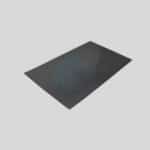

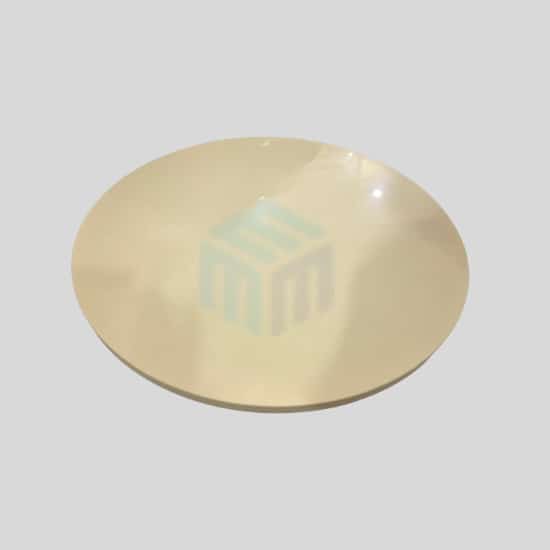
In high-voltage and high-frequency electrical systems, the choice of insulator material is critical for ensuring performance, safety, and longevity. Ceramics have long been preferred in such applications due to their excellent insulating and thermal properties. Among these, alumina ceramic plates—also known as aluminium oxide ceramic plates—stand out for their exceptional electrical insulation, thermal stability, and mechanical strength.
Whether used in power transmission, electronics, or renewable energy systems, alumina ceramic plates offer a reliable solution where standard insulating materials may fail.
Material Profile: What is Alumina (Al₂O₃)?
Alumina (Al₂O₃), also known as aluminum oxide, is a chemically inert, high-hardness ceramic material composed of aluminum and oxygen atoms in a crystalline structure. It occurs naturally as the mineral corundum and is also produced synthetically from bauxite ore via the Bayer process.
Chemical and Physical Properties: Alumina Ceramics Plates
Alumina (Al₂O₃), or aluminium oxide, is a highly stable ceramic material known for:
- High dielectric strength – ideal for electrical insulation
- Excellent thermal conductivity – enables heat dissipation in electronics
- Superior hardness and wear resistance – ensures long service life
- Corrosion resistance – stands up to harsh industrial environments
These properties make it suitable for both bulk components and thin-film layers in advanced electrical systems.
Comparison with Other Ceramic Insulators
When compared to other ceramic insulators like boron nitride, steatite, and zirconia, aluminum oxide ceramic plates consistently outperform them in a combination of dielectric strength, mechanical durability, and affordability—especially in high-voltage and high-temperature applications.
Core Electrical Applications of Alumina Plates
Core electrical applications of alumina plates include use as insulating substrates, circuit board bases, and high-voltage dielectric components.
High-Voltage Insulation Systems
Alumina ceramic plates are frequently used in:
- Circuit breakers
- Switchgear systems
- Busbars
- Transformer insulation
Their high dielectric breakdown resistance ensures consistent performance under extreme electrical stress.
Microelectronics and Semiconductors
Thin alumina substrates are widely used in:
- Chip carriers
- Printed circuit boards (PCBs)
- Microwave modules
Their low dielectric loss and high thermal stability make them essential in high-frequency, high-heat environments.
Power and Energy Storage Devices
With the rapid rise of EVs and renewable energy, alumina ceramic plates are used in:
- Battery insulation
- Inverter cooling systems
- Solar inverters
They provide a durable and non-conductive base that withstands repeated charge/discharge cycles.
Forms and Fabrications of Alumina Plates
Alumina plates are available in various forms, including dense, high-purity plates for precision applications and porous variants for filtration or thermal insulation. They can be fabricated through pressing, slip casting, or machining to achieve custom shapes, sizes, and surface finishes for industrial or laboratory use.
Standard vs. Custom Dimensions
Alumina plates are available in a variety of shapes and sizes:
- Round, square, or rectangular
- Multi-layer configurations
- Machined to tight tolerances
Thin Film vs. Bulk Plates
- Thin films: Ideal for microelectronics and substrate applications
- Bulk plates: Preferred for power insulation and mechanical support
Customisation may include polished finishes, laser cutting, or metalised surfaces for bonding.
Alternative Naming: Is It Called Aluminum Oxide Ceramic Plate Too?
Yes. Globally, alumina ceramic plate and aluminium oxide ceramic plate are used interchangeably. While “alumina” is the technical term, “aluminum oxide” is more common in some industries or regions.
Alumina Ceramics Plates Performance Characteristics in Electrical Insulation
Alumina ceramic plates offer high dielectric strength, low electrical conductivity, and excellent thermal stability, making them ideal for electrical insulation.
Dielectric Breakdown Resistance
Withstanding voltages exceeding 10 kV/mm, alumina offers one of the best dielectric performances among ceramic materials.
Thermal Shock and Expansion Behavior
Thanks to its low thermal expansion coefficient, alumina resists cracking even with rapid temperature changes—crucial in electronics and power applications.
Stability Across Frequency Ranges
From DC power systems to RF and GHz communication equipment, alumina ceramic plates maintain reliable electrical performance across a wide range of frequencies.
Industry Use Cases: Alumina Plate
Alumina plates are widely used in industries for electrical insulation, wear-resistant components, high-temperature substrates, and precision machinery parts.
Telecom and RF Components
Used in:
- Signal isolators
- Base station filters
- Antennas
Alumina’s high-frequency stability and low dielectric loss are critical here.
Medical and Lab Electronics
Used for insulation and structural support in:
- Diagnostic devices
- Imaging equipment
- Laboratory automation systems
Industrial Automation
In robotics and machine controls, alumina ceramic discs and plates serve as reliable insulators in high-voltage zones and high-load joints.
Choosing the Right Alumina Ceramic Plate
Choosing the right alumina ceramic plate depends on factors like purity level, thickness, mechanical strength, and thermal performance required for the application. For high-temperature or corrosive environments, high-purity (>99.5%) alumina offers superior durability, while lower-purity grades may suffice for general wear-resistant or insulating uses.
Key Technical Specs to Consider
- Purity levels: 95%, 96%, 99.5% and 99.8%
- Shape and size tolerances: Depends on application
- Surface finish and metallization: For bonding or soldering
Role of a Specialized Alumina Plate Supplier
Working with an experienced alumina plate supplier ensures:
- Quality assurance
- Consistent tolerances
- Application-specific customisation
- Competitive pricing and reliable delivery
Market and Pricing Overview: Alumina Plate
Here’s a Market and Pricing Overview for alumina (Al₂O₃) plates, covering raw material trends, current unit prices, and market outlooks:
How Alumina Plate Prices Are Determined
Alumina ceramic plate price varies based on:
- Purity and grade
- Dimensions and thickness
- Quantity and customisation
- Surface treatments or metalisation
In most cases, the long-term value and operational durability of alumina justify its upfront cost, especially when replacing lower-grade insulators.
Conclusion
Alumina ceramic plates are a cornerstone of modern electrical insulation—offering unmatched strength, thermal stability, and dielectric properties. Whether in power infrastructure, semiconductors, or renewable energy systems, their performance justifies their place as the preferred insulator across industries.
If you’re sourcing durable and reliable alumina plates, alumina substrates, or alumina ceramic discs, always opt for a trusted alumina plate supplier who offers quality, technical support, and tailored solutions.