
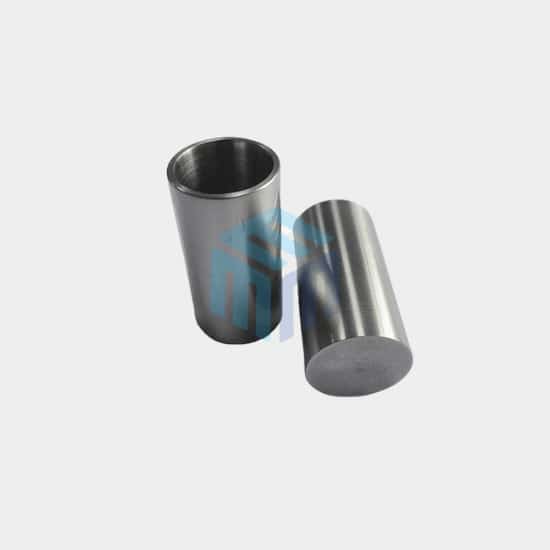
Molybdenum crucibles are widely used in high-temperature industries because of their exceptional melting point, thermal stability, and resistance to contamination. From crystal growth and vacuum metallurgy to semiconductor processing and advanced material research, these crucibles play a critical role in demanding thermal applications.However, one major challenge remains: oxidation damage.
If not handled correctly, oxidation can rapidly reduce the lifespan and performance of even high-quality pure molybdenum crucibles. In this guide, we’ll explain why oxidation occurs, how it affects crucibles, and the best ways to prevent costly damage in high-temperature environments.
Why Molybdenum Crucibles Are Used in High-Temperature Applications
Molybdenum belongs to the refractory metal family and offers several advantages:
- Extremely high melting point
- Excellent thermal conductivity
- Low vapour pressure at high temperatures
- Good dimensional stability
Because of these properties, Refractory Metal Molybdenum Crucibles are commonly used in:
- Vacuum furnaces
- Sapphire crystal growth
- Rare earth processing
- Metallurgical applications
- Semiconductor manufacturing
Despite these advantages, molybdenum becomes vulnerable when exposed to oxygen at elevated temperatures.
What Causes Oxidation in Molybdenum Crucibles?
Oxidation occurs when molybdenum reacts with oxygen at high temperatures.
Typically:
- Oxidation accelerates above approximately 300–400°C in air
- At higher temperatures, molybdenum oxide forms rapidly
- Oxide layers can evaporate or flake off, weakening the crucible
Over time, this leads to:
- Surface degradation
- Material thinning
- Structural failure
- Contamination risks
For laboratories and industrial users, preventing oxidation is essential for maintaining crucible performance and purity.
Use Vacuum or Inert Atmosphere Furnaces
The most effective way to prevent oxidation is to eliminate oxygen exposure.
Recommended Furnace Environments:
- Vacuum atmosphere
- Argon atmosphere
- Hydrogen atmosphere (in suitable systems)
Most molybdenum metal crucible applications are specifically designed for vacuum or inert gas operation.
Running molybdenum crucibles in open air at high temperatures dramatically shortens their lifespan.
Store Crucibles Properly When Not in Use
Improper storage can also affect crucible lifespan.
Store molybdenum crucibles:
- In dry environments
- Away from moisture and corrosive chemicals
- In protective packaging when possible
Surface contamination may accelerate oxidation during later heating cycles.
Consider Protective Coatings for Added Protection
In some applications, specialised coatings help improve oxidation resistance.
Examples include:
- Silicon-based coatings
- Ceramic protective layers
- Surface-treated refractory coatings
These coatings act as barriers between oxygen and the molybdenum surface.
For demanding industrial processes, Customized Molybdenum Crucible solutions may include additional surface protection tailored to operating conditions.
Choose High-Quality Pure Molybdenum Crucibles
Material quality directly impacts oxidation resistance and thermal performance.
A high-quality pure molybdenum crucible offers:
- Better density
- Lower impurity levels
- Improved structural stability
- More consistent high-temperature performance
Working with experienced molybdenum crucible suppliers ensures reliable manufacturing quality and proper material specifications.
Conclusion: Oxidation Prevention Starts with Proper Process Control
Molybdenum crucibles deliver excellent performance in high-temperature environments — but only when oxidation is carefully controlled.
Whether you need standard or Customized Molybdenum Crucible solutions, choosing the right supplier and operating conditions is key to long-term reliability.
Looking for high-quality molybdenum crucibles for high-temperature applications?
👉 📞 Contact +61 478 594 746 or 📧 email info@mkube.com.au for precision-engineered refractory metal solutions across Australia.