
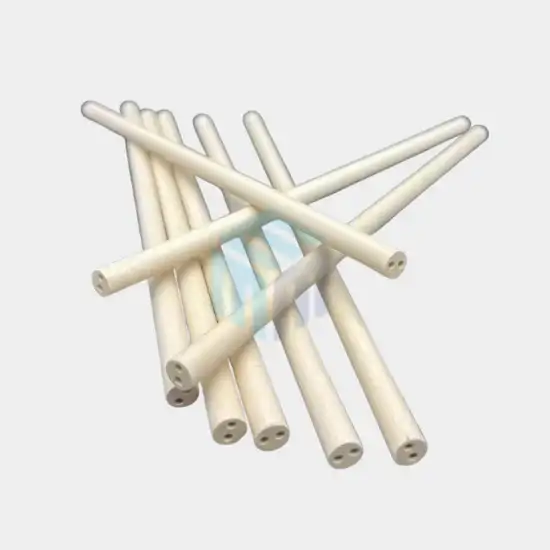
Magnesia (magnesium oxide, MgO) is one of the most widely used ceramic materials for high-temperature insulation, electrical protection, and furnace applications. Its unique properties—such as high thermal resistance, electrical insulation, and chemical stability—make magnesia tubes and rods an essential component in laboratories, industries, and research facilities across Australia.
But not all magnesia tubes are the same. Choosing the right grade and density is critical for achieving reliable performance in your application. At M-Kube, we supply two grades of magnesia ceramic tubes:
- White MgO – High-Density High Purity Magnesia (Grade A)
- Brown MgO – Standard Magnesia (Grade B)
This guide will help you understand the properties, applications, and selection factors for both grades so you can choose the best magnesia tube for your needs.
Why Do Grade and Density Matter in Magnesia Tubes?
Mechanical & Thermal Performance
- High Purity High-density MgO tubes provide superior strength and durability at extreme temperatures.
- Lower-density tubes offer cost savings while still handling moderate high-temperature operations.
Electrical Insulation
Magnesia is well-known for its dielectric strength, making it ideal for use in thermocouples, heating elements, and furnace insulation.
Application-Specific Demands
Selecting the wrong grade may lead to premature failure, reduced efficiency, or contamination, especially in demanding environments like furnaces and high-voltage systems.
Magnesia Tube Grades: White MgO vs Brown MgO
Magnesia tubes are available in different grades to meet varying high-temperature and electrical insulation requirements. White MgO offers higher purity and density for demanding applications, while Brown MgO provides a cost-effective option for general-purpose thermal and electrical insulation.
White MgO – High-Density Magnesia (Grade A)
- Superior mechanical strength & low porosity
- Excellent electrical insulation properties
- Withstands continuous operation up to 2000°C and in some designs, can go upto 2300°C too
- Best suited for:
- Thermocouple protection tubes
- Industrial furnace insulation
- High-voltage electrical systems
Brown MgO – Standard Magnesia (Grade B)
- Balanced performance for general insulation
- Good thermal shock resistance
- Operates reliably up to 1750°C
- More cost-effective than high-density MgO
- Best suited for:
- Heating element insulation
- Support rods in laboratory setups
- General-purpose industrial applications
White MgO vs Brown MgO: Which Magnesia Tube Should You Choose?
Choosing between White MgO and Brown MgO depends on your operating temperature, purity requirements, mechanical strength, and application conditions. White MgO is generally preferred for high-purity and demanding applications, while Brown MgO can be a practical choice for general-purpose applications where cost efficiency is important.
When to Choose White MgO (Grade A)
- Applications above 1750°C
- Situations requiring high dielectric strength
- Use in precision thermocouples and high-voltage systems
- When long-term durability outweighs cost
When to Choose Brown MgO (Grade B)
- Cost-sensitive applications
- Temperatures below 1750°C
- General-purpose insulation in lab and industrial setups
- Heating elements insulation and support rods
Common Causes of Magnesia Tube Failure
Magnesia tubes can fail prematurely when exposed to excessive thermal, mechanical, or chemical stress. Common causes include:
- Thermal Shock – Rapid heating or cooling can create internal stress and cause cracks.
- Excessive Temperature – Operating beyond the recommended temperature range can lead to deformation or degradation.
- Thermal Cycling – Frequent temperature changes can gradually weaken the tube.
- Mechanical Impact – Dropping, bending, or improper handling can cause chips and fractures.
- Incorrect Installation – Excessive force, misalignment, or insufficient clearance can create stress points.
- Chemical Exposure – Incompatible chemicals or furnace atmospheres can attack the material.
- Incorrect Grade or Density – Selecting a tube that does not match the application’s temperature, insulation, or mechanical requirements can reduce service life.
- Contamination – Deposits and process residues can affect surface condition and performance.
Magnesia Tube Inspection Checklist
Regular inspection helps identify damage before it leads to unexpected failure. Check the following:
- Visible Cracks – Inspect the entire tube for hairline or structural cracks.
- Chips and Surface Damage – Check edges, ends, and exposed surfaces for impact damage.
- Deformation – Look for bending, warping, or dimensional changes.
- Discoloration – Unusual colour changes may indicate overheating or chemical exposure.
- Wall Thickness – Check for excessive wear or localised thinning.
- Contamination – Inspect for deposits, residues, or foreign material.
- End and Connection Areas – Check areas around mounting points for stress or damage.
- Electrical Insulation – Where applicable, verify that insulation performance remains within the required specification.
- Dimensional Condition – Confirm that the tube still meets the required ID, OD, and length tolerances.
How to Extend the Life of Magnesia Tubes
Proper handling and controlled operating conditions can help maximise magnesia tube service life.
- Use the Correct Grade and Density – Select the material according to temperature, purity, mechanical, and insulation requirements.
- Control Heating and Cooling Rates – Avoid sudden temperature changes that can cause thermal shock.
- Prevent Mechanical Stress – Handle tubes carefully and avoid excessive force during installation.
- Allow Proper Clearance – Provide sufficient space for thermal expansion and avoid contact with surrounding components.
- Maintain a Suitable Furnace Environment – Minimise exposure to incompatible chemicals or contaminants.
- Avoid Overheating – Operate within the manufacturer’s recommended temperature range.
- Keep the Tube Clean – Remove compatible residues carefully without damaging the surface.
- Inspect Regularly – Identify cracks, chips, deformation, and other signs of deterioration early.
- Store Properly – Keep unused tubes protected from impact, moisture, and contamination.
Key Factors When Selecting Magnesia Tubes
- Operating Temperature – Ensure the grade can withstand the maximum heat load.
- Electrical Insulation Requirements – High-voltage systems require Grade A.
- Mechanical Strength – For high-stress conditions, choose high-density MgO.
- Budget Constraints – Grade B offers a balance of performance and affordability.
- Tube Size & Tolerance – Always confirm with supplier specifications for custom applications.
When Should You Replace a Magnesia Tube?
A magnesia tube should be replaced when visible damage or performance changes could compromise safety, insulation, or process reliability. Consider replacement when you notice:
- Cracks or Fractures – Even small cracks can expand during subsequent thermal cycles.
- Severe Chips or Breakage – Damaged edges or sections can weaken the tube.
- Deformation – Bending or warping may indicate excessive thermal or mechanical stress.
- Significant Surface Degradation – Heavy contamination, erosion, or chemical damage can affect performance.
- Reduced Insulation Performance – Changes in electrical insulation may indicate material deterioration.
- Excessive Wear or Wall Thinning – Reduced wall thickness can compromise mechanical strength.
- Repeated Thermal-Shock Damage – Frequent cracking indicates that the tube may no longer be suitable for the operating conditions.
- Loss of Dimensional Accuracy – Replace the tube if it no longer meets the required dimensions or interferes with furnace components.
Regular inspection and timely replacement can help prevent unexpected tube failure, furnace downtime, and damage to other heating or insulation components.
Why Choose M-Kube as Your Magnesia Tube Supplier in Australia
- Wide selection of magnesia tubes, rods, and pipes in different grades and sizes.
- Custom machining available to meet tolerance standards.
- Local stock availability for faster delivery across Australia.
- Trusted supplier for labs, industries, and research institutions.
Conclusion
Selecting the right magnesia tube is critical for performance, cost efficiency, and reliability. While White MgO (Grade A) is the go-to choice for high-temperature, high-strength applications, Brown MgO (Grade B) offers an affordable solution for general insulation needs.
By understanding the properties, applications, and technical specifications, you can confidently select the best MgO ceramic tube for your lab or industrial setup.