

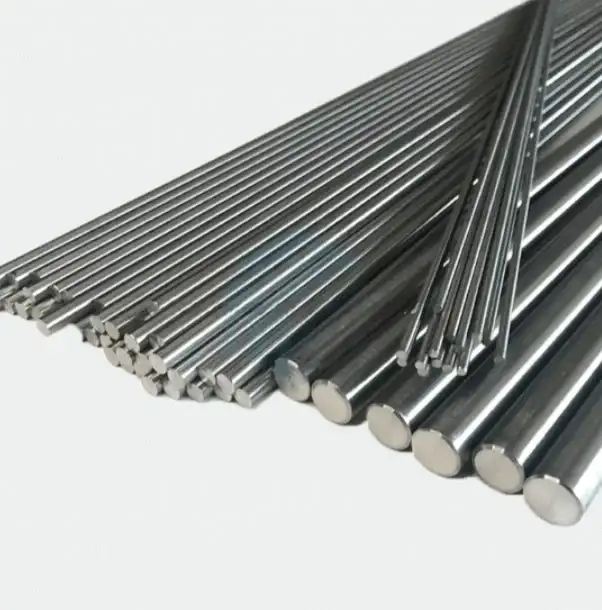
In modern orthopaedics, few materials have transformed patient outcomes as profoundly as titanium rods. Known for their exceptional strength-to-weight ratio, outstanding corrosion resistance, and unmatched biocompatibility, titanium alloys have become the go-to choice for spinal fixation, fracture repair, and joint reconstruction. Their unique ability to mimic the elasticity of human bone reduces stress shielding, promotes natural healing, and ensures long-term implant stability—making titanium the gold standard in orthopedic care worldwide.
Orthopaedic implants are life-changing medical devices used to restore mobility, support bone healing, and improve quality of life. Whether it’s a spinal fusion, fracture fixation, or joint replacement, the material used in these implants is just as important as the surgical technique itself.
Why Biocompatibility Matters in Orthopaedic Implants
Biocompatibility is one of the most important factors in orthopaedic implants, as it determines how well a material interacts with the human body. A biocompatible implant minimizes the risk of adverse reactions, inflammation, and tissue rejection while supporting the natural healing process.
Titanium is widely used in orthopaedic implants because it is highly biocompatible and can integrate effectively with bone tissue through a process known as osseointegration. This strong bond between the implant and surrounding bone improves stability, promotes long-term performance, and reduces the likelihood of implant failure. As a result, biocompatible materials like titanium contribute to better patient outcomes, faster recovery, and increased implant longevity.
Titanium Rods: An Overview
Titanium rods are precision-engineered components made from commercially pure titanium or titanium alloys, prized for their lightweight strength, corrosion resistance, and biocompatibility. Their unique combination of mechanical and chemical properties makes them indispensable across industries, with a particularly critical role in medical implants, marine hardware, and high-performance engineering.
Key Properties That Make Titanium Ideal for Orthopaedic Implants
Titanium is prized in orthopaedic medicine for its:
- Biocompatibility – Minimises immune response and allergic reactions
- Corrosion resistance – Performs exceptionally in bodily fluids
- High strength-to-weight ratio – Ensures stability without adding unnecessary weight
Whether it’s a titanium tig rod used in implant welding or titanium rods for structural support, the material’s performance remains unmatched.
Types of Titanium Rods and Tubes Used in Orthopaedics
Titanium is available in several forms tailored for medical and surgical applications:
- Titanium round rod – Standard shape for bone fixation
- Titanium round bar – Used in spinal implants and support structures
- Titanium round tube – Lightweight and ideal for compact tools
- Titanium alloy tube – Enhanced properties for specific surgeries
- Titanium square tube – For custom orthopaedic devices
- Titanium seamless tube – Provides consistent strength with no welds
In summary, understanding the different types of titanium rods and tubes used in orthopaedics allows surgeons and device engineers to select the ideal material configuration—optimizing mechanical stability, biocompatibility, and patient recovery outcomes in every application.
Key Benefits of Titanium Rods in Orthopaedic Applications
Titanium rods offer superior biocompatibility, corrosion resistance, and a bone-like elastic modulus, promoting better healing and reducing implant failure. Their lightweight strength ensures long-term stability in orthopedic applications.
Exceptional Biocompatibility
Titanium naturally integrates with bone through a process called Osseo integration, making it ideal for long-term use. Its hypoallergenic nature reduces the risk of adverse reactions—an essential feature for any implant material.
Lightweight but Extremely Strong
Despite its low weight, titanium offers:
- High tensile strength
- Excellent fatigue resistance
This balance makes it suitable for patients of all ages, especially those requiring prolonged mobility support.
Corrosion Resistance Inside the Human Body
Titanium’s surface forms a stable oxide layer, preventing degradation in the presence of:
- Blood
- Saliva
- Synovial (joint) fluids
This ensures the implant remains structurally sound for decades.
MRI and X-ray Compatibility
Unlike some metals, titanium is non-ferromagnetic, meaning:
- It’s safe for MRI and CT scans
- It doesn’t distort imaging, allowing for accurate post-op diagnostics
Use of Titanium Tubes and Pipes in Medical Devices
Titanium tubes and pipes are widely used in medical devices for their biocompatibility, corrosion resistance, and light weight. They are essential in surgical instruments, orthopedic implants, dental fixtures, and cardiovascular devices, offering long-term durability and compatibility with sterilization processes.
Titanium Tube Applications in Orthopaedic Surgeries
Titanium tubes—especially titanium seamless tube, titanium round tube, and titanium alloy tube—are commonly used in:
- Surgical instrumentation
- Robotic surgery components
- Minimally invasive orthopaedic tools
These tubes provide precision, stability, and hygiene, making them ideal for the operating theatre.
Titanium Pipes for Medical Engineering
In medical engineering, titanium pipe and even larger forms like 3 inch titanium pipe are used to build:
- Implant assembly rigs
- Surgical table frames
- Rehabilitation equipment
Engineers and surgeons also choose titanium pipe for sale for prototyping new orthopaedic systems due to its reliable strength and machinability.
Matching Titanium Grade to Clinical Application
Not all titanium rods are created equal. The grade of titanium used in implants significantly affects properties such as strength, ductility, fatigue resistance, and biocompatibility. Choosing the right grade is essential for optimising outcomes.
- Common grades used in orthopaedics
- Commercially pure (cp) Titanium: Grades 1–4; these are very biocompatible and softer, useful in applications where flexibility is advantageous.
- Alloyed Titanium: For example, Ti-6Al-4V (Grade 5) – a two-phase (alpha-beta) alloy that offers excellent strength, fatigue resistance, and is often heat-treatable.
- Clinical considerations for grade selection
- Load-bearing implants (like spinal rods, long bone fixation): Often benefit from higher-strength alloys like Grade 5, because of the mechanical demand.
- Paediatric or small-frame patients: May prefer lower-stiffness, pure titanium to enable more compatible load transfer or reduce stress shielding.
- Fatigue-critical applications: Choosing extra low interstitial (ELI) variants (e.g., Ti-6Al-4V ELI) can be beneficial, as reduced impurities (oxygen, nitrogen) help improve fatigue life.
- Surface finish and geometry: Smooth, well-finished implants are less likely to shed particles; design and manufacturing quality matter.
- Supplier and manufacturing role
- Trusted implant manufacturers and suppliers must provide certified titanium grades, along with quality documentation and traceability.
- Surface treatments (e.g., passivation, polishing) help maintain the stable oxide layer that protects against corrosion and ion release.
Sourcing Medical-Grade Titanium and Cost Considerations
Titanium for medical rods, tubes, and pipes is primarily sourced from major producers in the USA, Japan, Australia, Russia, and China, with strict adherence to ASTM and ISO implant-grade standards. Pricing remains higher than stainless steel due to the energy-intensive Kroll extraction process, specialized melting (VAR/EBM), and tight quality controls.
Where to Find Medical-Grade Titanium Materials
For hospitals, researchers, and medical manufacturers, it’s important to partner with a certified titanium tube supplier. M-Kube offers:
- Titanium tubing for sale across various specifications
- Fast shipping across Australia
- Expert advice for medical-grade requirements
Understanding Titanium Rod and Tube Pricing
The titanium rod price and titanium tube price are influenced by:
- Purity level and grade ((Grades 1, 2, 5, 7, 9, 11,12))
- Form and finish (seamless vs. welded)
- Size and volume ordered
How Titanium Rods Support Bone Healing and Recovery
Titanium rods provide essential stability to fractured or damaged bones, helping maintain proper alignment during the healing process. Their excellent biocompatibility allows them to integrate well with surrounding bone tissue, while their high strength and corrosion resistance ensure long-term support. By promoting stability and reducing the risk of implant-related complications, titanium rods help improve recovery outcomes and support successful bone healing.
Clinical Evidence and Patient Outcomes with Titanium Rod Implants
Titanium rods have a strong track record in orthopaedics, which is why they’re widely used in implants for spine, long bones, and reconstructive surgery.
- Osseointegration and long-term stability
Titanium’s oxide layer supports osseointegration — direct bone bonding — which reduces the risk of loosening over time. Many studies and clinical reports show high implant survival rates with minimal adverse reactions. - Low revision and failure rates
- Clinical data from various implant registries indicate that titanium-based implants (especially with well-chosen grade and finish) have very low rates of revision due to corrosion or metal-related complications.
- Because titanium is lighter than steel and has a modulus closer to bone, it also reduces stress shielding, which helps bone health and long-term implant performance.
3.Patient outcomes
-
-
- Faster rehabilitation and better tolerance: Due to biocompatibility, many patients experience less inflammation, less postoperative discomfort, and good long-term function.
- For spinal fusion, scoliosis correction, and joint reconstruction using titanium rods, a review of case series often reports >90% success, assuming proper surgical technique and patient selection.
- Pediatric orthopaedics increasingly favours titanium for its strength-to-weight profile and capacity to accommodate growth.
-
Examples of Titanium Rods in Spinal and Joint Surgeries
Titanium rods are commonly used in spinal fixation, scoliosis correction, and joint reconstruction surgeries to provide durable support and promote proper bone alignment.
- Spinal implants using titanium rods have led to over 90% success in spinal fusion surgeries.
- Hip replacements with titanium round rods and bars reduce recovery time and enhance implant longevity.
- Paediatric orthopaedics now prefers titanium due to its adaptability to growth.
Titanium Implant Lifecycle and Longevity in Patients
Titanium implants are built for long-term durability, often lasting 15–25 years or more depending on patient health, activity level, and implant type.
After surgery, titanium promotes strong bone bonding (osseointegration), creating a stable and secure interface. Its corrosion resistance and biocompatibility help prevent degradation inside the body.
Over time, proper load distribution and high fatigue strength support continued performance. While revision surgery may occasionally be required due to infection, wear, or mechanical stress, titanium implants have a proven track record of excellent longevity and reliability in orthopaedic applications.
Titanium vs. Other Materials in Orthopaedic Implants
In orthopaedic implants, titanium outperforms many other materials such as stainless steel and cobalt-chromium alloys due to its superior biocompatibility, lower density, and excellent corrosion resistance. Unlike heavier metals, titanium reduces stress shielding, promotes better bone integration, and minimizes long-term complications, making it the preferred choice for spinal rods, joint replacements, and fracture fixation devices where durability and patient safety are paramount.
| Property | Titanium | Stainless Steel | Cobalt-Chrome |
|---|---|---|---|
| Biocompatibility | ✅ Excellent | ⚠ Moderate (Nickel risk) | ✅ Good |
| Weight | ✅ Lightweight | ❌ Heavy | ❌ Heavy |
| Corrosion Resistance | ✅ High | ⚠ Moderate | ✅ High |
| MRI Safety | ✅ Safe | ⚠ Risky | ⚠ May interfere |
| Osseo integration | ✅ Yes | ❌ No | ⚠ Moderate |
| Long-Term Implant Use | ✅ Preferred | ⚠ Limited | ✅ Accepted |
Verdict: Titanium remains the preferred material for permanent and high-load implants.
Environmental and Manufacturing Benefits of Titanium
Titanium’s long service life reduces the need for frequent replacements, lowering material waste in medical and industrial applications. Its recyclability and high strength-to-weight ratio also cut transportation energy costs, making it a more sustainable manufacturing choice.
Is Titanium a Sustainable Choice for Healthcare?
Yes. Titanium not only lasts longer in the human body but also contributes to sustainability through:
- Fewer replacement surgeries → Lower medical waste
- 100% recyclability → Post-use rods and tools can be repurposed
- Energy-efficient production when using modern refining methods
Why Surgeons and Patients Prefer Titanium Rods
In orthopaedics, the goal is lasting mobility and safety. Titanium rods offer:
- Long-term biocompatibility
- Structural strength
- Imaging safety
- Lighter recovery experience
Whether you are a hospital procurement officer, R&D specialist, or surgeon—titanium should be your material of choice.
📞 Looking for a reliable titanium tube supplier in Australia?
Call +61-478-594-746
📧 Email: info@mkube.com.au
Explore our range of titanium tubes, rods, and pipes at www.mkube.com.au to support your next medical breakthrough.
Conclusion:
Titanium rods have rightfully earned their reputation as the gold standard in orthopaedic implants due to their exceptional strength-to-weight ratio, corrosion resistance, and biocompatibility. Their versatility across spinal, joint, and trauma surgeries ensures both mechanical stability and patient safety, while minimizing the risk of adverse reactions. By choosing titanium rods, surgeons and medical device engineers can deliver superior outcomes, faster patient recovery, and long-term implant reliability, solidifying titanium’s indispensable role in modern orthopaedic care.