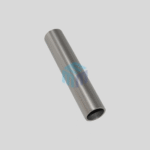



Graphite rods are widely used as electrodes in various industries due to their excellent electrical conductivity, high thermal resistance, and chemical stability. These properties make graphite rods ideal for applications such as electrolysis, arc welding, and battery manufacturing. In this blog, we’ll explore why graphite rods are preferred as electrodes and how they contribute to efficient and reliable performance in electrical processes.
Why Graphite Is an Ideal Material for Electrodes
Graphite is widely used as an electrode material due to its unique combination of electrical, thermal, and chemical properties. Unlike many metals, graphite maintains stability at extremely high temperatures without melting, making it suitable for demanding electrochemical and high-energy applications.
Its layered crystal structure allows electrons to move freely, giving it excellent electrical conductivity. At the same time, graphite is chemically inert in most environments, which prevents unwanted reactions during electrolysis or high-temperature processes. These characteristics make it a reliable and long-lasting electrode material in industrial systems such as arc furnaces, electrolysis cells, and battery technologies.
Different Types of Graphite Rod Grades
Graphite rods are classified into different grades based on purity, grain size, density, and manufacturing process. Each grade is suited for specific applications.
1. Fine Grain Graphite Rods:
These rods have a uniform structure, high strength, and excellent conductivity. They are commonly used in precision applications such as EDM (Electrical Discharge Machining) and semiconductor processing.
2. Medium Grain Graphite Rods:
These offer a balance between strength and cost. They are widely used in general industrial applications, including furnaces and electrolysis systems.
3. Coarse Grain Graphite Rods:
These are more economical but less dense and less uniform. They are suitable for less demanding applications where extreme precision is not required.
4. High-Purity Graphite Rods:
These rods contain minimal impurities and are used in sensitive applications such as batteries, nuclear processes, and advanced research systems.
Advantages of Graphite Electrodes Over Metal Electrodes
Graphite rods are commonly used as electrodes in various applications due to several key advantages they offer:
- High Electrical Conductivity: Graphite is an excellent conductor of electricity, making it ideal for use as electrodes in electrical applications such as electrolysis, electroplating, and arc welding. Additionally, pure graphite crucibles are widely used in high-temperature applications due to their excellent thermal conductivity and resistance to thermal shock, ensuring efficient and reliable performance in various industrial processes.
- Chemical Inertness: Graphite is chemically inert and resistant to many chemicals and corrosive substances. This property makes graphite electrodes suitable for use in processes involving harsh environments or reactive materials, where other materials might corrode or react.
- High Temperature Resistance: Graphite can withstand high temperatures without significant deformation or degradation. This makes graphite electrodes suitable for applications involving intense heat, such as electric arc furnaces for metal melting and refining.
- Mechanical Strength: Graphite has good mechanical strength and can withstand mechanical stress and vibration, making it durable and long-lasting in electrode applications.
- Low Thermal Expansion: Graphite has a low coefficient of thermal expansion, meaning it expands and contracts minimally with changes in temperature. This property helps maintain dimensional stability and prevents cracking or warping during thermal cycling.
- Ease of Machining: Graphite is relatively easy to machine and shape into various electrode designs and sizes, allowing for customization to suit specific application requirements.
- Carbon-Based Material: Being a carbon-based material, graphite electrodes are compatible with carbon-containing materials, making them suitable for processes involving carbon electrodes, such as in electrolytic cells and arc furnaces.
Overall, the combination of high electrical conductivity, chemical inertness, high-temperature resistance, mechanical strength, and ease of machining makes graphite rods a preferred choice for electrodes in a wide range of industrial, scientific, and technological applications.
Common Applications of Graphite Electrodes
Graphite rod electrodes are used across multiple industries due to their versatility and performance under extreme conditions.
They are commonly used in electric arc furnaces for steel production, where they help generate and sustain high-temperature arcs required for melting metals. In electrolysis processes, graphite electrodes enable efficient chemical reactions without degrading quickly.
In laboratory and research environments, they are used for controlled experiments involving high temperatures and electrical currents. They also play a role in battery systems, especially in advanced energy storage technologies where conductivity and stability are critical.
Additionally, graphite electrodes are used in EDM machining, where they help shape metal components with high precision.
Limitations of Graphite Rod Electrodes
Despite their advantages, graphite rod electrodes also have certain limitations.
One major limitation is oxidation at high temperatures when exposed to air. This can gradually wear down the electrode over time. Graphite is also relatively brittle, meaning it can crack or break under mechanical stress or impact.
Another drawback is material consumption during use, as graphite slowly erodes in high-energy applications. Additionally, while it performs well in many environments, it may not be suitable for applications requiring extremely high mechanical strength or resistance to abrasive wear.
Conclusion:
In conclusion, graphite rods are an essential choice for electrodes thanks to their superior electrical conductivity, thermal stability, and resistance to chemical corrosion. These qualities ensure efficient performance and durability across a wide range of industrial applications, from electrolysis to welding. Choosing graphite rods as electrodes not only enhances process reliability but also supports long-term operational success.