
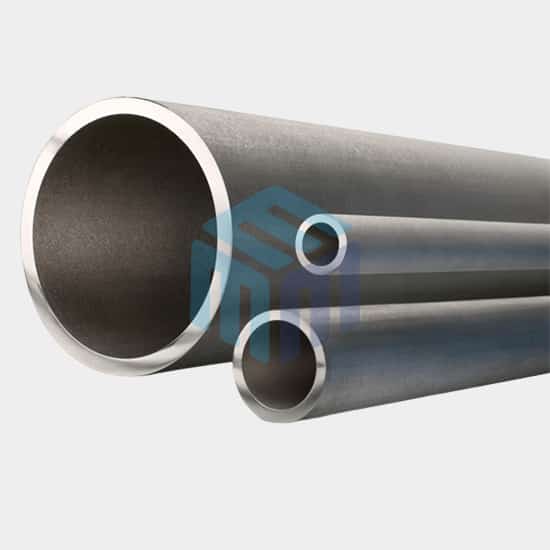
Silicon carbide (SiC) tubes are widely used in high-temperature furnaces, heat exchangers, and chemical processing equipment due to their outstanding thermal conductivity, corrosion resistance, and mechanical strength. However, like all refractory and ceramic components, SiC tubes are not immune to failure. Unexpected tube damage or premature breakdown can lead to production downtime, costly replacements, and compromised process reliability.
Understanding the common causes of SiC tube failures—whether related to thermal shock, chemical attack, mechanical stress, or improper installation—is essential for industries that rely on their consistent performance. Just as important are the prevention strategies that can extend service life, enhance safety, and optimize furnace efficiency.
In this article, we will explore the typical failure mechanisms of silicon carbide tubes and provide practical guidelines for prevention, helping engineers and plant operators make informed decisions and improve the overall reliability of high-temperature systems.
In Australia’s metallurgy, chemical processing, mining, and ceramics industries, silicon carbide (SiC) tubes and pipes play a crucial role. Known for their exceptional strength, thermal conductivity, and resistance to corrosion, SiC tubes, SiC rods, and silicon carbide pipes are widely used in furnaces, kilns, and thermocouple protection systems.
Where SiC Tubes Deliver the Most Value in High-Temperature Systems
The unique properties of silicon carbide tubes make them indispensable in harsh environments:
- Thermal stability – maintains strength above 1,400 °C.
- Excellent corrosion resistance – withstands acids, alkalis, and oxidising gases.
- Extended service life – reduces downtime and lowers maintenance costs.
This makes SiC tubes and pipes the go-to choice for thermocouple protection tubes, burner nozzles, kiln furniture, and high-temperature reaction vessels.
SiC Tube Grades: SSiC, RBSiC, RSiC and NB-SiC Compared
Choosing the right grade of SiC is critical to preventing premature failures.
SSiC — Sintered Silicon Carbide (Dense, High-Purity)
- Fully dense, no free silicon.
- Outstanding chemical resistance and wear resistance.
- Ideal for corrosive environments and thermocouple protection tubes.
RBSiC / SiSiC — Reaction-Bonded Silicon Carbide
- Produced by silicon infiltration of a porous SiC body.
- Strong and shock-resistant, but contains some residual free silicon.
- Limited to ~1,400 °C service (melting point of silicon).
- Best for burner tubes, kiln parts, and complex shapes.
RSiC — Recrystallized Silicon Carbide
- Made by recrystallisation without binders, leaving open porosity.
- Excellent thermal shock resistance and stability at very high temperatures.
- Slightly lower strength than dense SiC grades.
- Commonly used in kiln furniture and radiant tubes.
NB-SiC — Nitride-Bonded Silicon Carbide
- Bonded with Si₃N₄, giving high thermal shock resistance.
- Some porosity remains, so chemical resistance is lower than SSiC.
- Max service ~1,450 °C.
- Popular for kiln furniture, liners, and moderate chemical applications.
Common Causes of SiC Tube Failures
Common causes of SiC tube failures include thermal shock, chemical corrosion, mechanical stress, and improper handling or installation.
- Thermal Shock and Rapid Temperature Changes: Rapid heating or cooling causes cracks or fractures, especially during furnace startup/shutdown.
- Chemical Corrosion and Oxidation: Prolonged exposure to acids, alkalis, or oxidising gases degrades tube material.
- Mechanical Stress and Improper Installation: Excessive vibration, poor alignment, or unsupported loads can shorten lifespan.
- Poor Material Quality or Improper Manufacturing: Cheap or improperly sintered SiC increases porosity and reduces durability. Opting for customized silicon carbide solutions from trusted suppliers is essential.
What Early SiC Tube Damage Looks Like
Identifying warning signs of SiC tube failure involves monitoring for surface cracks, glaze peeling, dimensional distortion, and reduced thermal performance.
- Surface cracks or microfractures – early signs of stress.
- Reduced thermal conductivity – common in failing SiC thermocouple protection tubes.
- Abrasion or erosion – thinning or pitting of silicon carbide pipes in chemical systems.
SiC Tube Failure Modes and Root Causes
Silicon carbide (SiC) tubes can fail due to thermal, mechanical, and environmental factors during high-temperature operation. Identifying the failure mode and its root cause helps improve tube performance, reduce downtime, and extend service life.
| Failure Mode | Root Cause | Impact on Tube Performance |
|---|---|---|
| Cracking | Thermal shock, rapid heating or cooling | Tube fracture and reduced structural integrity |
| Surface Erosion / Wall Thinning | Chemical attack, oxidation, abrasive environments | Reduced thickness and shorter service life |
| Thermal Fatigue | Repeated heating and cooling cycles | Strength loss and crack development |
| Mechanical Damage | Improper handling, installation stress, impact loading | Microcracks and premature failure |
| Oxidation and Corrosion | Aggressive furnace atmospheres and reactive gases | Surface degradation and material weakening |
Cracking Due to Thermal Shock
Rapid temperature changes create thermal stresses within the tube structure. Repeated thermal shock can cause surface cracks, which may eventually lead to complete tube failure.
Surface Erosion and Wall Thinning
Exposure to corrosive gases, chemical reactions, or abrasive particles can gradually wear the tube surface, reducing wall thickness and mechanical strength.
Thermal Fatigue from Cyclic Operation
Frequent heating and cooling cycles cause expansion and contraction stresses, leading to fatigue damage over time.
Mechanical Stress Damage
Improper handling, poor support alignment, or excessive external loads can introduce cracks and weaken the tube structure.
Understanding these failure modes helps optimize operating conditions, maintenance schedules, and material selection to improve SiC tube reliability.
Prevention Strategies for SiC Tube Failure
Extending the service life of silicon carbide (SiC) tubes requires a combination of proper design considerations, careful handling, and routine maintenance. By implementing proven prevention strategies, industries can reduce downtime, minimize replacement costs, and ensure consistent furnace performance.
-
Gradual Heating and Cooling
-
Always preheat SiC tubes slowly to minimize thermal shock. Avoid sudden temperature fluctuations, especially during startup and shutdown cycles.
-
-
Chemical Compatibility Checks
-
Prevent direct contact with corrosive chemicals, alkalis, or fluxes that can attack SiC surfaces. Use protective coatings or liners when operating in chemically aggressive environments.
-
-
Proper Installation and Alignment
-
Ensure tubes are installed with correct alignment and adequate clearance to avoid mechanical stress or bending forces. Incorrect mounting often leads to premature cracking.
-
-
Controlled Operating Conditions
-
Operate within the recommended temperature and load limits of the tube material. Overloading or exceeding design specifications accelerates wear and fracture.
-
-
Moisture and Storage Precautions
-
Store tubes in a dry, clean environment to avoid moisture absorption, which can weaken the material structure during high-temperature exposure.
-
-
Regular Inspection and Maintenance
-
Conduct periodic visual checks for cracks, spalling, or dimensional distortion. Early detection allows timely replacement before catastrophic failure occurs.
-
-
Use of High-Purity SiC Grades
-
Select premium-grade SiC tubes for critical processes. Higher purity improves resistance to both thermal stress and chemical attack, extending operational reliability.
-
By adopting these strategies, industries can significantly reduce the risk of unexpected SiC tube failures and maintain safe, efficient high-temperature operations.
Selecting the Right SiC Tube Grade
- SSiC – for corrosive, high-purity conditions.
- RBSiC – for large, complex kiln components.
- RSiC – for thermal cycling applications.
- NB-SiC – for budget-friendly kiln furniture and liners.
SiC Tube Installation: Clearance, Support and Alignment
Proper installation is critical to preventing SiC tube cracking, bending, and premature failure. Maintain sufficient clearance between the tube and furnace components to accommodate thermal expansion without creating contact or stress points. The tube should be supported at the correct locations using suitable high-temperature supports, avoiding excessive clamping or uneven loading.
Correct alignment is equally important. Keep the SiC tube straight and centered within the furnace, with supports positioned to prevent sagging or vibration. Check for misalignment, loose fittings, and mechanical contact before each major heating cycle. Proper clearance, support, and alignment help reduce mechanical stress and improve SiC tube service life.
SiC Tubes: Application-Specific Considerations
SiC Tubes in Thermocouple Protection Systems: Silicon carbide thermocouple protection tubes ensure accurate readings in high-heat furnaces and corrosive environments. Failures here can compromise process safety and efficiency.
Customized Silicon Carbide Solutions: Tailored SiC pipes, rods, and tubes improve fit, reduce downtime, and extend equipment life.
Comparing SiC with Other Ceramic Materials
Silicon carbide outperforms alumina and mullite by offering:
- Higher thermal conductivity
- Superior mechanical strength
- Longer service life under thermal cycling
Cost vs. Durability: Is Silicon Carbide Worth the Investment?
The silicon carbide tube price depends on:
- Grade (SSiC > RBSiC > RSiC / NB-SiC)
- Dimensions and wall thickness
- Custom machining requirements
Although initial cost may be higher than alumina or mullite, longer service life and reduced downtime make SiC more cost-effective.
Conclusion
SiC tube failures are rarely the result of a single factor—they stem from a complex interplay of thermal shock, chemical attack, mechanical stress, and improper handling. By understanding these root causes, industries can take proactive steps such as controlled heating cycles, atmosphere compatibility, and routine inspections to extend service life. Investing in high-quality SiC tubes and following proven prevention strategies not only minimizes downtime but also ensures consistent furnace performance and long-term cost savings.