

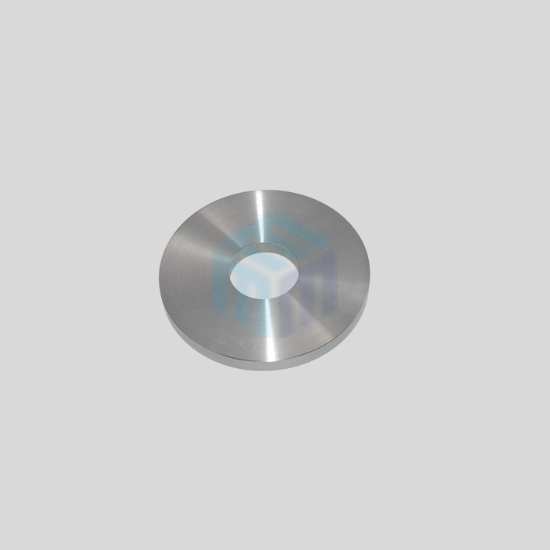
Radiation shielding is a critical requirement in modern healthcare — from diagnostic imaging rooms to radiotherapy facilities. Choosing the right shielding material directly impacts safety, durability, and long-term operational efficiency. For decades, lead has been the traditional choice. However, tungsten heavy alloy is rapidly gaining popularity as a superior alternative in many medical applications. So, which material is actually better?
Let’s break it down in a practical, easy-to-understand way for Australian healthcare and medical equipment manufacturers.
Why Choosing the Right Radiation Shielding Material Matters
Medical environments using X-rays, CT scans, or radiation therapy must control exposure to protect:
- Patients
- Healthcare professionals
- Sensitive equipment
Shielding materials work by absorbing or attenuating radiation. The effectiveness depends on:
- Material density
- Atomic number
- Thickness
- Structural stability
Both lead and tungsten heavy metal perform well — but their real-world performance differs significantly.
What Is Lead Radiation Shielding?
Lead has been widely used because of its high density and affordability.
Benefits of Lead Shielding
- Good radiation attenuation
- Low initial cost
- Easy to shape and install
Limitations of Lead
- Toxic and hazardous to handle
- Requires protective coatings
- Lower mechanical strength
- Prone to deformation over time
In modern healthcare settings, especially in Australia with strict safety regulations, these drawbacks are becoming harder to ignore.
What Is Tungsten Heavy Alloy Shielding?
Tungsten heavy alloy (also known as heavy metal tungsten alloy) is composed of tungsten combined with metals like nickel and iron or copper.
Composition and Properties of Tungsten Heavy Alloy
- Extremely high density (higher than lead)
- Non-toxic and environmentally safer
- Excellent mechanical strength
- Superior durability
Because of these properties, tungsten heavy alloys are increasingly used in advanced radiation shielding applications.
Radiation Shielding Performance: Lead vs Tungsten
Density and Shielding Efficiency
- Lead density: ~11.3 g/cm³
- Tungsten heavy alloy density: ~17–18.5 g/cm³
Higher density means better radiation absorption.
👉 This allows tungsten heavy alloy to achieve the same shielding with thinner sections, which is a major advantage in compact medical devices.
Lead vs Tungsten Shielding Comparison Table
Selecting the right radiation shielding material requires balancing shielding performance, durability, safety, and long-term operational costs. The table below highlights the key differences between lead and tungsten heavy alloy for medical radiation shielding applications.
| Property | Lead | Tungsten Heavy Alloy |
|---|---|---|
| Density | 11.34 g/cm³ | Up to 18.5 g/cm³ |
| Radiation Shielding Efficiency | Good | Excellent |
| Required Thickness | Higher | Lower |
| Mechanical Strength | Soft and deformable | High strength and wear resistant |
| Toxicity | Toxic material requiring special handling | Non-toxic and environmentally safer |
| Durability | Susceptible to dents and damage | Highly durable and long-lasting |
| Precision Machining | Limited | Excellent for complex components |
| Maintenance Requirements | Higher | Lower |
| Space Efficiency | Requires more installation space | Compact shielding designs possible |
| Initial Cost | Lower | Higher |
| Long-Term Value | Moderate | High due to durability and performance |
While lead remains a cost-effective shielding material for large installations, tungsten heavy alloy offers superior radiation attenuation, durability, and compactness, making it the preferred choice for advanced medical equipment and high-performance shielding applications.
Medical Applications of Tungsten Radiation Shielding
The exceptional density and shielding efficiency of tungsten heavy alloy have made it a preferred material across numerous medical radiation protection applications. Its ability to provide equivalent shielding in a smaller footprint allows equipment manufacturers to develop more compact, reliable, and ergonomic systems.
CT Scanner Components
Tungsten shielding is widely used in computed tomography (CT) systems to reduce stray radiation and improve imaging accuracy. Its high density enables effective radiation attenuation while minimizing component size.
X-Ray Equipment Shielding
Medical X-ray systems often incorporate tungsten components to protect operators and patients from scattered radiation. Tungsten’s durability and precision-machining capabilities make it ideal for collimators, apertures, and shielding assemblies.
Radiotherapy Equipment
In radiation therapy systems, tungsten heavy alloy is used for beam shaping, collimation, and targeted shielding. Its superior attenuation properties help ensure precise dose delivery while minimizing exposure to surrounding healthy tissues.
Nuclear Medicine and PET Imaging
Positron Emission Tomography (PET) and nuclear medicine applications require highly effective shielding due to the energy levels involved. Tungsten containers, syringe shields, and transport vessels provide reliable radiation protection while maintaining manageable equipment dimensions.
Mobile and Portable Radiation Shielding
As healthcare facilities increasingly adopt portable imaging and diagnostic equipment, tungsten’s ability to deliver high shielding performance in compact designs makes it an ideal solution for mobile radiation protection systems.
Cost Comparison: Lead vs Tungsten Heavy Alloy
Cost is often one of the most important factors when selecting a radiation shielding material. While lead generally has a lower upfront material cost, evaluating long-term value provides a more complete picture.
Initial Material Cost
Lead is significantly less expensive than tungsten heavy alloy on a per-kilogram basis. For large-scale shielding projects where budget constraints are a primary concern, lead may appear to be the more economical choice.
Equipment Design and Space Savings
Because tungsten provides greater shielding efficiency per unit thickness, manufacturers can often reduce component size and weight while maintaining the same protection level. This can create valuable design advantages, particularly in compact medical devices.
Durability and Maintenance
Lead’s softness makes it more vulnerable to deformation, wear, and damage over time. Tungsten heavy alloy offers superior mechanical strength and durability, reducing maintenance requirements and extending service life.
Regulatory and Environmental Considerations
Lead handling, disposal, and regulatory compliance can introduce additional lifecycle costs. Tungsten’s non-toxic nature helps healthcare facilities and equipment manufacturers reduce environmental and workplace safety concerns.
Total Cost of Ownership
Although tungsten heavy alloy requires a higher initial investment, its longer lifespan, lower maintenance requirements, compact design benefits, and enhanced performance often result in a lower total cost of ownership over the life of the equipment.
When Should You Choose Tungsten Heavy Alloy?
Tungsten heavy alloy is often the preferred solution when performance, durability, and space efficiency are critical considerations.
You should consider tungsten heavy alloy when:
- Maximum radiation shielding is required within limited space.
- Compact medical device designs are a priority.
- Long-term durability and reliability are essential.
- Precision-machined shielding components are needed.
- Environmental and workplace safety concerns must be minimized.
- Equipment is expected to operate in demanding clinical environments.
- Reduced maintenance and longer service life are desired.
For modern medical imaging systems, radiotherapy equipment, nuclear medicine applications, and advanced diagnostic devices, tungsten heavy alloy provides an effective combination of shielding performance, mechanical strength, and operational value. Although the initial investment may be higher than lead, its long-term advantages often make it the preferred choice for healthcare facilities and medical equipment manufacturers seeking reliable, future-ready radiation protection solutions.
Conclusion: A Shift Toward Safer, High-Performance Shielding
While lead has served the medical industry for decades, modern requirements are pushing the shift toward safer and more efficient materials. Tungsten heavy alloy stands out as a high-performance alternative, offering superior shielding, durability, and environmental safety.
For advanced medical applications — especially where precision and long-term reliability matter — tungsten is increasingly the better choice.
Looking for high-performance tungsten heavy alloy solutions? Contact M-Kube for expert support and customised shielding materials across Australia.