
Cleaning laboratory glassware is a critical yet often time-consuming task in any lab, directly impacting workflow efficiency, safety, and operational costs. Traditionally, scientists and technicians have relied on manual cleaning, scrubbing and rinsing each piece of glassware by hand. While effective, this method is labor-intensive, inconsistent, and prone to human error. In contrast, modern laboratory glassware washers offer automated solutions that combine thorough cleaning, high-temperature sterilization, and rapid drying, dramatically reducing labor hours and minimizing breakage risks.
Clean, contaminant-free glassware is the foundation of reliable laboratory results. Whether you’re in a pharmaceutical lab, a university research facility, or a food testing environment, the integrity of your experiments often hinges on the cleanliness of your glassware. In Australia’s growing scientific and analytical sectors, labs are increasingly weighing the benefits of lab glassware washers versus manual cleaning. The right choice impacts more than just cleanliness — it influences operational costs, productivity, and compliance with ISO and GLP standards.
Why Glassware Cleaning Is Critical for Accurate Lab Results
Effective glassware cleaning is essential for accurate results, laboratory safety, and regulatory compliance. Even trace residues left on poorly cleaned glassware can contaminate samples, interfere with reactions, and lead to unreliable or non-repeatable data.
From a safety perspective, improper cleaning exposes lab staff to chemical residues, biological hazards, and breakage risks during manual handling. In regulated environments, such as pharmaceutical, clinical, or research laboratories, inadequate cleaning can also result in non-compliance with GLP and GMP standards.
Consistent and validated cleaning processes help ensure:
-
Contamination-free experiments
-
Reproducible analytical results
-
Longer glassware lifespan
-
Improved workflow efficiency
Whether using automated washers or manual methods, proper glassware cleaning is a foundational requirement for reliable laboratory operations and high-quality scientific outcomes.
Challenges of Manual Cleaning vs. Automated Solutions
Manual cleaning has long been the default method, but it’s time-consuming, inconsistent, and prone to human error. Meanwhile, laboratory glassware washers promise automation, precision, and higher throughput.
Key Factors Every Lab Should Consider Before Choosing
Lab managers must evaluate:
- Time spent per batch
- Labour costs
- Detergent and water usage
- Glassware breakage rates
- Equipment cost vs ROI
Manual Glassware Cleaning: Process, Pros & Limitations
Manual cleaning of laboratory glassware involves carefully washing with detergents and brushes to remove residues while avoiding contamination or breakage.
Traditional Cleaning Process
Manual glassware cleaning typically involves:
- Soaking glassware in detergent solutions
- Scrubbing using brushes
- Rinsing with tap and deionised water
- Drying using air or oven
While effective for certain items, it demands constant attention and can vary between technicians.
Required Tools & Consumables
- Brushes (various sizes and shapes)
- Laboratory-grade detergents
- Deionised water
- Personal protective equipment (gloves, goggles)
- Drying racks or ovens
Pros of Manual Cleaning: Laboratory Glassware
Pros of manual cleaning of laboratory glassware include thorough residue removal, the ability to handle delicate items carefully, and flexibility for cleaning complex shapes.
- Low initial investment
No expensive machinery required — perfect for small labs or tight budgets. - Flexibility
Useful for delicate, customised, or odd-shaped glassware that may not fit in washers.
Cons of Manual Cleaning: Laboratory Glassware
Cons of manual cleaning of laboratory glassware include being time-consuming, labor-intensive, and carrying a higher risk of human error or breakage.
- Labour-intensive and time-consuming
Technicians can spend hours per week just on cleaning duties. - Inconsistent cleaning results
Depends heavily on the operator’s skill and attention. - Risk of contamination and breakage
Residues may remain; glassware is more prone to chips and cracks during handling.
Automated Glassware Washers: How They Work & Benefits
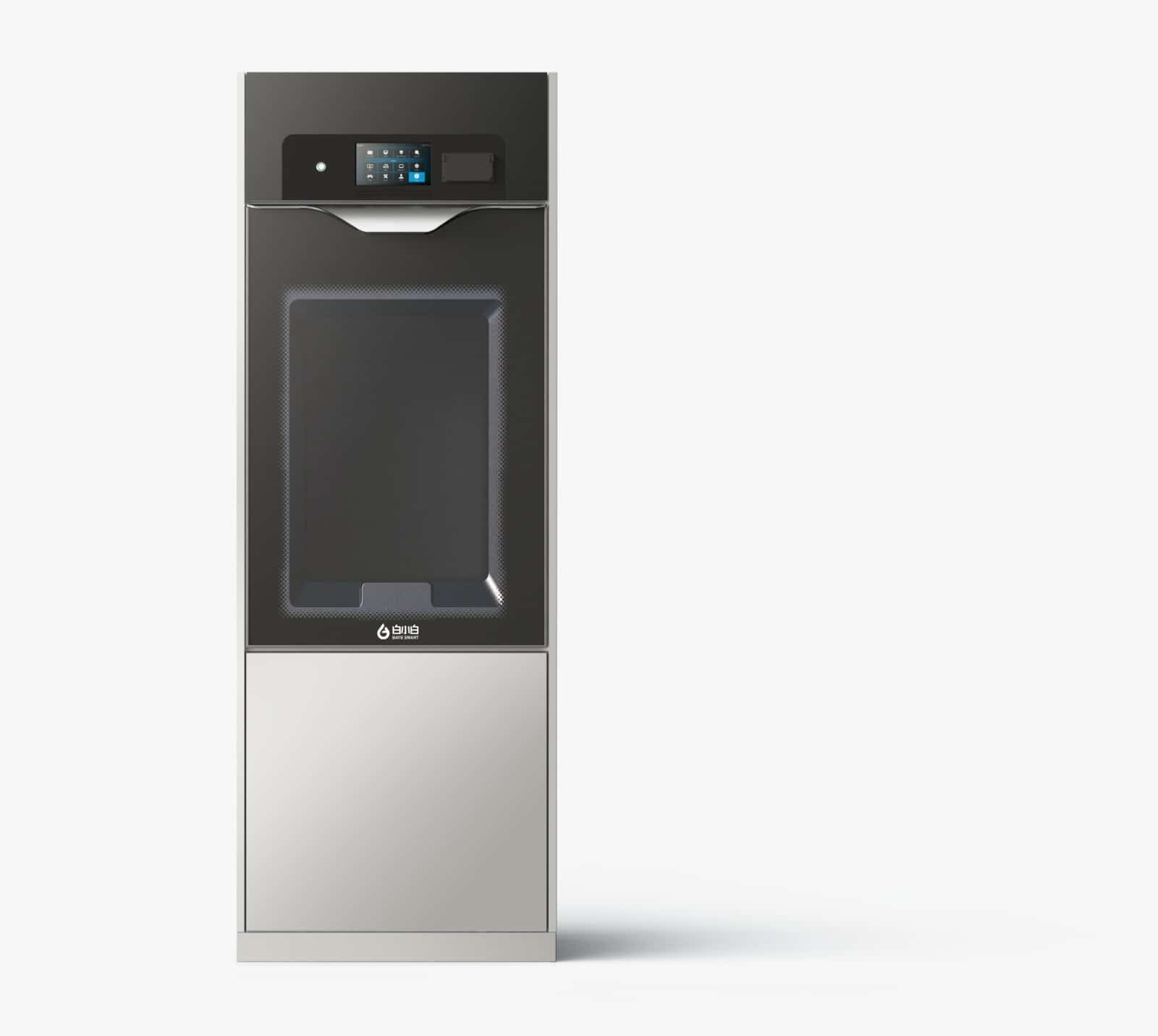
A laboratory glassware washer is designed specifically to meet the demanding hygiene requirements of scientific environments. These machines automate the full cleaning process: wash, rinse, and dry, all in one unit.
How Laboratory Glassware Washers Work
Laboratory glassware washers work by using automated cycles of detergent washing, high-temperature rinsing, and drying, often combined with water jets and ultrasonic agitation, to thoroughly clean and sanitize glassware efficiently and consistently.
Washing, Rinsing, Drying Cycles
- Pre-rinse with tap water
- Detergent wash with controlled temperature
- Deionised water rinse
- Hot air drying
Each cycle is programmable to suit the contamination level and glassware type.
Types of Machines : Laboratory Glassware Washers
Types of Laboratory Glassware Washers include bench-top washers, under-counter washers, and large-capacity pass-through washers, each designed to handle different volumes and types of laboratory glassware with automated cleaning, rinsing, and drying cycles.
- Under-counter models: Compact and suited for small- to mid-sized labs
- Benchtop washers: Ideal for limited space setups
- Large-capacity washers: Suitable for hospitals, universities, or production labs
Key Features of Modern Glassware Washers
Key features of modern laboratory glassware washers include programmable wash cycles, high-temperature sanitization, water and energy efficiency, adjustable racks for various glassware, and built-in safety mechanisms to prevent breakage.
- Customizable cycles for different types of contaminants or glassware
- Water purification systems (HEPA filters, deionisers)
- ISO 15883 and GLP compliance for regulatory standards
- Energy and water efficiency modes for sustainable operations
Pros of Automated Cleaning
- Consistent, high-quality cleaning
Reduces cross-contamination risk and meets strict quality standards. - Time and labour savings
Frees up technician time for higher-value tasks. - Reduced water and detergent usage
Automated dosing ensures efficient chemical use.
Cons of Automated Cleaning
- Higher upfront cost
Requires capital investment. - Maintenance requirements
Needs periodic servicing and part replacements. - May not suit all glassware shapes
Some very narrow or fragile glassware may require manual cleaning.
Time & Cost Comparison: Manual vs. Automated Cleaning
Time & cost comparison shows that automated glassware washers significantly reduce cleaning time and labor costs compared to manual cleaning methods.
Time Efficiency Analysis
Hands-On Time Per Batch
| Cleaning Method | Time Per Batch | Staff Involvement |
|---|---|---|
| Manual Cleaning | 30–60 min | High |
| Automated Washer | 10–15 min | Low |
Throughput Capacity Comparison
- Manual: ~20–30 pieces/hour
- Automated: ~100–150 pieces/hour (varies by machine)
Cost Analysis
Long-Term Costs
- Manual cleaning: Higher labour, water, and breakage costs
- Automated washing: Lower running costs after ROI threshold
ROI Calculation for Lab Glassware Washers
Labs with frequent cleaning cycles can recover the cost of an automated washer within 1–2 years through reduced labour, improved efficiency, and longer glassware lifespan.
Manual vs Automated Cleaning: Which Should You Choose?
Choosing the right cleaning method for your lab depends on factors like glassware volume, contamination risk, available labor, and the need for consistency and efficiency.
When to Stick with Manual Cleaning?
- Budget is limited
- Glassware shapes are highly specialised
- Cleaning volume is low
When to Invest in a Lab Glassware Washer?
- Cleaning is frequent and time-consuming
- Consistency and compliance are crucial
- Lab wants to reduce water and chemical use
- You need to scale operations without hiring additional staff
Key Considerations When Selecting a Supplier
- Local service and support availability
- Spare part turnaround time
- Warranty and maintenance contracts
- Machine compatibility with existing glassware
- Energy and water efficiency certifications
Conclusion
Automated lab glassware washers are transforming the way laboratories approach cleaning. While manual methods may suit smaller labs with occasional use, high-volume operations benefit significantly from automation in terms of time, cost, and compliance.
Evaluate your lab’s needs, long-term goals, and budget to decide whether an upgrade to a laboratory glassware washing machine will give you the returns you’re looking for.