
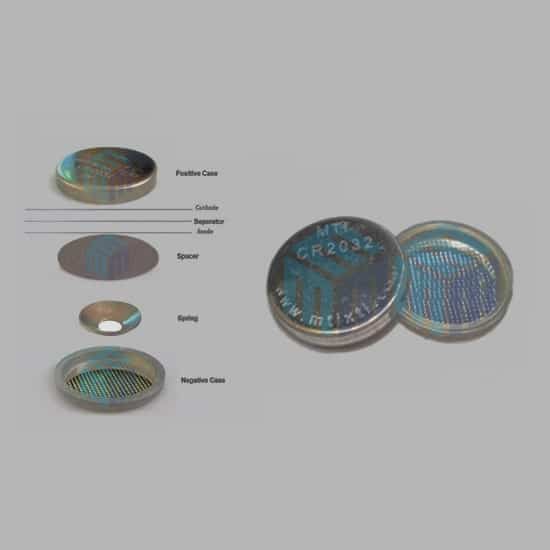
When you’re preparing coin cells in the lab — using reliable coin cell assembly kits, sourcing the correct coin cell parts and components, ensuring precision coin cell preparation equipment — one persistent challenge many labs face is moisture-related failures. In this blog we’ll walk you through how our team encountered, diagnosed and solved moisture problems in our coin cell builds. We’ll cover key aspects of coin cell preparation, coin cell assembly, component choice, how to work with a good coin cell case supplier, and what you should look for when you buy coin cell assembly kits or equipment.
If you’re dealing with lithium-ion coin cell preparation, coin cell components, or assessing coin cell preparation price, this story will help you build more reliable cells with fewer failures.
Why Moisture Matters in Coin Cell Assembly
The unseen risk of moisture
Even tiny amounts of moisture in a coin cell can trigger several failure modes: increased internal pressure (from gas formation), poor sealing, corrosion of components, rapid capacity fade or early failure. A recent study on coin cell ageing found that one of the causes for faster capacity loss was diffusion of moisture into the coin cell housing.
Another review of coin and pouch cell fabrication emphasised that component dryness is a key factor influencing final cell quality and performance.
Why coin cell preparation is especially vulnerable
- Coin cells are small, take less material, but their surface-area to volume ratio is high, meaning any moisture ingress is more impactful.
- Many labs use coin cell assembly kits or coin cell preparation equipment that may not always enforce ultra-dry conditions.
- When using coin cell parts or components (cases, gaskets, spacers), if one part has absorbed moisture (even from ambient humidity), the whole cell can suffer.
- Downstream cost: when a coin cell fails prematurely, the cost of wasted electrode materials, lost time and unreliable data can add up.
Our Lab Story: Diagnosing the Problem
Recognising the pattern
In our lab we noticed that although the coin cell components and coin cell assembly kit were working correctly, a certain batch of coin cells kept failing early – especially when we changed electrolyte type and then noticed a correlation with ambient humidity. Leakage, swelling and capacity drop were more frequent when we changed to a new coin cell case supplier whose parts were stored in a less-controlled environment.
Identifying the root causes
We undertook a root-cause investigation and tracked:
- The moisture content of spacers, gaskets and the coin cell case components prior to assembly.
- The time between component unpacking and insertion into the glove box.
- The vacuum & degassing steps of the coin cell preparation process.
- The sealing/pressure applied to the coin cell case.
We found that some components had absorbed moisture during storage, and our assembly process did not sufficiently degas or dry the cell stack before crimping. That meant the sealed coin cells had trace moisture inside which caused gas evolution and swelling, increased impedance and early failure.
Implementing systematic fixes
Here’s what we changed:
- Strict drying protocol: All coin cell components (coin cell case, gaskets, washers, spacers) were pre-dried at ~80 °C for 12 hours, then stored in sealed desiccators.
- Glove-box insertion timing: After drying, components were transferred immediately into the glove box (<1 % RH) to avoid moisture uptake from ambient air.
- Additional degassing: After electrolyte fill, we added a 30 min vacuum hold on coin cells (≈10⁻² mbar) before the first charge to remove trapped moisture and gases.
- Better sealing/crimping procedures: We specified specific crimp force on the coin cell assembly equipment to ensure good sealing and minimise ingress of ambient moisture.
- Supplier specification upgrade: When evaluating coin cell case supplier options, we started checking for moisture absorbent parts, packaging with desiccants, or controlled humidity storage by the supplier — even if the price was slightly higher (we considered coin cell preparation price as total cost of ownership, not just purchase price).
Fewer Failures, Better Data
After implementing the above changes:
- Early failure rate dropped by ~75% in one quarter.
- Variation in initial coulombic efficiency across coin cells narrowed (indicating improved repeatability).
- Data from coin cells became more consistent with larger cell formats, increasing confidence in our small-format test regime.
- The cost of wasted cells dropped, saving electrode material, electrolyte and technician time.
By refining our coin cell assembly, using correct coin cell parts and coin cell preparation equipment, and working with a reliable coin cell case supplier, we improved our lab’s throughput and data quality.
Best Practices Checklist for Coin Cell Preparation
Here’s your cheat-sheet: when you assemble coin cells in your facility, keep these in mind:
- Use a clean, dry glove box environment (preferably <1 % RH) for final assembly of the cell stack.
- Dry all cell components (cases, gaskets, spacers, washers) prior to assembly.
- Minimise ambient exposure time of components between drying and assembly.
- Use quality coin cell assembly equipment or crimping tools built for consistent sealing force.
- Choose a coin cell case supplier whose parts are stored/delivered with moisture control (sealed bags, desiccants).
- After electrolyte fill, incorporate degassing or vacuum hold before first seal/charge.
- Monitor moisture ingress indirectly by tracking swelling, impedance change, early capacity drop in your coin cells.
- Evaluate your cost not just by “coin cell preparation price” of parts, but by total effective cost (failures + wasted materials + downtime)
Conclusion
Moisture-related failures in coin cell assembly can quietly undermine your lab operations, waste materials, and reduce data confidence. By tightening your coin cell preparation workflow — drying components, minimising exposure, choosing reliable suppliers, using correct assembly equipment — you can dramatically reduce failure rates and boost throughput. Whether you’re sourcing coin cell parts, evaluating coin cell assembly kits or comparing coin cell preparation price, remember: reliability is about total cost of ownership, not just upfront cost.
References:
1) Best practices in lithium battery cell preparation and evaluation (Nature)
2) Effect of moisture content on the electrochemical performance of Li-ion batteries (ResearchGate)
3) Identification of critical moisture exposure for nickel-rich cathodes (ScienceDirect)