
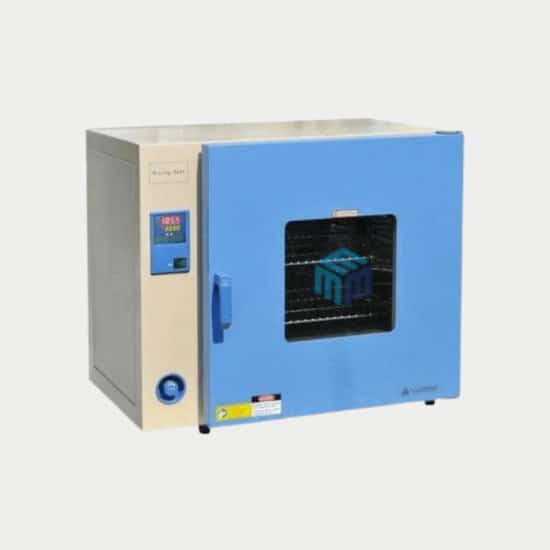
Maintaining a contamination-free environment in laboratories is essential for ensuring the accuracy, reliability, and reproducibility of experimental results. Cross-contamination in laboratory convection ovens can compromise sample integrity, invalidate tests, and damage equipment. Whether you’re using a laboratory heating oven, drying oven, or a commercial convection oven, adopting the right preventive practices is crucial for maintaining laboratory hygiene and operational efficiency.
Understanding the Role of Convection Ovens in Laboratories
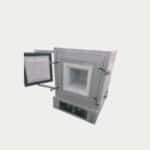
Convection ovens play an essential role in laboratory operations by providing controlled heat for drying, sterilising, curing, or baking samples and instruments. These ovens work by circulating hot air uniformly, ensuring consistent temperature distribution throughout the chamber.
What Makes Convection Ovens Ideal for Laboratory Use
Laboratory convection ovens are designed to provide high precision, uniform heating, and reliable temperature stability. Key benefits include:
- Uniform air circulation that ensures even heating of all samples.
- Temperature accuracy and stability suitable for sensitive experiments.
- Versatility to handle various applications like drying glassware, curing resins, or sterilising instruments.
Unlike commercial convection ovens used in food processing, laboratory drying ovens are built with higher-grade materials, enhanced insulation, and precise control systems for scientific use.
What Causes Cross-Contamination in Laboratory Convection Ovens
Cross-contamination can occur when biological, chemical, or particulate residues are transferred from one sample to another, often due to poor maintenance or improper handling.
Common Sources of Contamination in Convection Oven
- Residue from previous samples – Leftover materials such as chemicals, oils, or microorganisms that weren’t fully removed during cleaning.
- Improper sample placement – Stacking or crowding samples restricts airflow and allows contaminants to transfer between items.
- Airflow obstructions – Blocked vents or fans reduce air circulation, leading to uneven heating and potential contamination hotspots.
- Use of inappropriate containers – Non-laboratory-grade containers may release particles or fumes that contaminate samples.
- Lack of scheduled cleaning – Over time, dust, residues, and vapours can build up inside the oven, creating a risk of contamination.
Identifying these issues early is the first step toward maintaining a contamination-free environment.
Best Practices to Prevent Cross-Contamination in Convection Oven
Ensuring a contamination-free oven requires both procedural discipline and proper equipment handling.
- Implement a Strict Cleaning Schedule
Regular cleaning is the cornerstone of contamination prevention.
- After each use, wipe down internal surfaces with suitable solvents or mild detergents.
- Conduct deep cleaning weekly, especially in high-use environments.
- Avoid using abrasive materials that can damage stainless steel interiors.
- Use Dedicated Ovens for Specific Applications
Where possible, assign separate ovens for different materials—such as one drying oven for biological samples and another for inorganic materials. This practice greatly reduces cross-contamination risk.
- Use Proper Sample Containers
Always use heat-resistant and chemically inert containers compatible with your oven’s temperature range. Laboratory-grade glass or stainless-steel trays are ideal for preventing chemical interactions or residue formation.
- Maintain Proper Airflow
Avoid overcrowding the oven chamber. Proper airflow ensures uniform temperature and reduces the chance of residue settling between samples. Keep vents and fans clear of obstructions.
- Calibrate and Monitor Temperature Regularly
Temperature fluctuations can lead to incomplete drying or sterilisation, allowing contaminants to survive. Regular calibration of laboratory heating ovens ensures consistent performance and accuracy.
- Avoid Cross-Handling of Samples
Designate specific tools, gloves, and tongs for handling materials before and after oven use. This small step prevents external contaminants from being introduced during loading and unloading.
Choosing the Right Laboratory Convection Oven
A reliable oven reduces contamination risk through design efficiency and precise control.
Key Features to Consider
When selecting the best convection oven for laboratory use, look for:
- Uniform air circulation system for even heating.
- High-quality stainless-steel interior for easy cleaning and chemical resistance.
- Adjustable shelving to accommodate various sample sizes.
- Digital temperature control and timer for process accuracy.
- Built-in safety features like over-temperature protection and alarms.
For industrial or large-scale applications, commercial electric convection ovens and industrial convection ovens offer higher capacity and durability.
Laboratory vs. Commercial Convection Ovens
While commercial convection ovens are commonly used in manufacturing, food processing, or material drying industries, laboratory convection ovens provide finer temperature control, better insulation, and contamination prevention features suited to scientific research environments.
If you’re looking for high-performance convection ovens for sale in Australia, M-Kube provides advanced models tailored for laboratory precision, reliability, and safety.
Maintenance Tips for Long-Term Efficiency Laboratory Convection Oven
Regular maintenance ensures your laboratory drying oven remains contamination-free and operates efficiently for years.
Routine Maintenance Checklist
- Inspect seals and gaskets monthly for cracks or damage.
- Replace air filters as recommended by the manufacturer.
- Verify temperature uniformity using test thermometers.
- Record maintenance logs for traceability and audit compliance.
Proactive maintenance reduces downtime, extends equipment life, and upholds sample integrity.
Safety Protocols for Laboratory Convection Ovens
Safety is directly linked to contamination control. Implement these additional precautions:
- Allow sufficient cooling before cleaning to avoid burns or damage.
- Avoid flammable solvents or samples that release volatile compounds.
- Ensure proper ventilation to remove exhaust gases or fumes.
- Train staff regularly on oven operation and cleaning procedures.
Conclusion
Preventing cross-contamination in laboratory convection ovens is vital for maintaining the integrity and reliability of experimental results. By implementing disciplined cleaning routines, using proper containers, maintaining airflow, and selecting a high-quality laboratory drying oven, laboratories can achieve consistent performance and accurate outcomes.
At M-Kube, we supply top-quality laboratory convection ovens engineered for precision, durability, and contamination control—trusted by laboratories across Australia.
Upgrade your lab’s heating and drying capabilities today with M-Kube’s advanced laboratory convection ovens.
Explore our range of laboratory and industrial ovens at www.mkube.com.au or
Call +61-478-594-746 | Email info@mkube.com.au for expert assistance and a custom quote.