
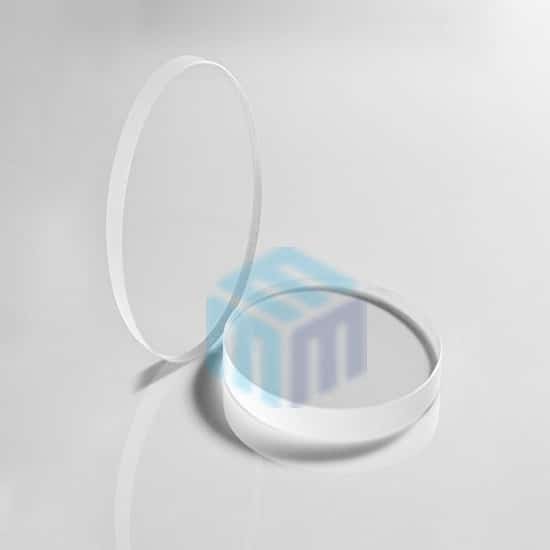
Quartz is one of the most versatile and pure materials used across scientific, industrial, and optical applications. However, not all quartz is the same. The composition and manufacturing process of each quartz grade—such as GE214, JGS2, and JGS3—determine its purity, optical transmission, and thermal performance.
Whether you’re working on semiconductor fabrication, analytical instruments, or optical systems, choosing the right grade can significantly impact product performance, longevity, and reliability. In this guide, we’ll explore how to select the best quartz grade based on its chemical composition and physical characteristics, and why customized quartz products are the preferred choice for precision applications.
Understanding Quartz Composition and Purity
Before comparing quartz grades, it’s essential to understand what quartz is made of and how its composition affects performance.
Quartz is composed primarily of silicon dioxide (SiO₂). The purity level and presence of trace impurities like aluminium, iron, and sodium dictate the optical and thermal characteristics of the material. Even slight variations in these elements can drastically affect how quartz performs under UV light or extreme heat.
How Purity Defines Quartz Quality
High-purity quartz (HPQ) can exceed 99.99% SiO₂, making it ideal for critical environments where contamination must be minimal—such as semiconductor or optical industries. Lower-purity quartz, on the other hand, may contain trace metals or hydroxyl (OH) groups that reduce transparency and resistance to chemical attack.
This is where quartz grades like GE214, JGS2, and JGS3 come into play—each offering a unique balance between composition, transmission, and structural integrity.
Comparison of GE214, JGS2 and JGS3 Quartz Grades
Each quartz grade has distinct physical and chemical characteristics that make it ideal for specific applications.
1. GE214 – Natural Fused Quartz
Composition:
GE214 is made by electrically fusing naturally occurring crystalline silica. It typically contains 99.995% SiO₂, with trace elements of aluminium, iron, and titanium below 10 ppm.
Properties:
- Excellent thermal shock resistance and low thermal expansion.
- High UV to IR transmission range (190 nm – 2500 nm).
- Good mechanical strength and dimensional stability.
Applications:
- Semiconductor furnace tubes and wafer boats.
- Custom quartz crucibles for crystal growth.
- High-temperature lamps, heaters, and optical lenses.
- Custom quartz rods and plates for laboratory furnaces.
GE214 is the ideal choice when thermal durability and structural integrity are the top priorities.
2. JGS2 – Synthetic Fused Silica (Low OH Content)
Composition:
JGS2 is a synthetic quartz produced using flame hydrolysis of high-purity silicon tetrachloride (SiCl₄). It contains 99.999% SiO₂ and an extremely low hydroxyl content (<10 ppm).
Properties:
- Excellent UV and visible light transmission.
- Superior optical uniformity and minimal inclusions.
- Highly resistant to radiation and chemical corrosion.
- Thermal stability up t/o 1100°C.
Applications:
- UV optics and spectroscopic instruments.
- Custom quartz tubes for UV sterilization.
- Laser windows and optical sensors.
- Laboratory analytical equipment requiring high optical clarity.
Because of its synthetic composition and ultra-pure structure, JGS2 is often used in optical and photonic systems where even microscopic impurities can distort results.
3. JGS3 – High-Purity Synthetic Quartz (Ultra-Low Metal Content)
Composition:
JGS3 is the highest-purity synthetic fused silica available, with a composition of 99.9999% SiO₂ and metal impurities below 1 ppm. It also contains extremely low hydroxyl levels, making it ideal for precision optical and laser applications.
Properties:
- Exceptional UV transparency down to 185 nm.
- Negligible birefringence (optical distortion).
- Ultra-low thermal expansion coefficient.
- Unmatched chemical and radiation resistance.
Applications:
- Laser optics, precision lenses, and UV lithography systems.
- Custom quartz components for photonics and scientific instruments.
JGS3’s flawless composition and ultra-purity make it the gold standard for optical-grade quartz used in advanced instrumentation systems.
Chemical Composition and Purity Comparison
The chemical composition and purity level of quartz grades directly affect optical performance, thermal stability, and application suitability.
| Quartz Grade | SiO₂ Purity | Impurity Level | OH Content |
|---|---|---|---|
| GE214 | High purity | Low | Moderate |
| JGS2 | Very high purity | Very low | Low |
| JGS3 | Ultra-high purity | Extremely low | Very low |
GE214 is commonly used for thermal applications, while JGS2 and JGS3 are preferred for high-precision optical and semiconductor processes.
Optical Performance Comparison of GE214, JGS2 and JGS3
Each quartz grade offers different optical characteristics depending on purity and OH content.
- GE214: Good optical performance with strong thermal capability
- JGS2: High UV and visible light transmission with low impurity levels
- JGS3: Excellent UV transparency and optical precision for advanced applications
JGS3 is generally preferred where high optical clarity and low absorption are critical.
Thermal Properties and High-Temperature Performance
Quartz grades also differ in thermal behavior and suitability for high-temperature environments.
| Grade | Thermal Stability | Typical Application |
|---|---|---|
| GE214 | Excellent | Furnace and thermal processing |
| JGS2 | High | Optical and thermal systems |
| JGS3 | High | Precision optics and photonics |
GE214 is widely used where thermal resistance and durability are important.
Role of OH Content in Quartz Grade Selection
OH (hydroxyl) content significantly influences quartz optical and thermal performance.
Lower OH content generally provides:
- Improved UV transmission
- Reduced optical absorption
- Better performance in precision optical systems
- Higher suitability for laser and photonics applications
Quartz grades with very low OH levels are preferred for high-performance optical applications.
Quartz Grade Selection Based on Application
Selecting the right quartz grade depends on operating conditions and end-use requirements.
GE214 – Thermal Processing and Furnace Applications
Suitable for high-temperature systems requiring thermal stability and durability.
JGS2 – UV Optics and Spectroscopy
Used in optical systems requiring good UV transmission and low impurity levels.
JGS3 – Laser and Photonics Applications
Preferred for advanced optical, laser, and semiconductor applications requiring high optical precision.
Common Mistakes When Selecting Quartz Grades
Incorrect quartz selection can affect system performance and service life.
Common mistakes include:
- Ignoring purity and contamination requirements
- Selecting material based only on cost
- Overlooking OH content effects
- Choosing the wrong optical transmission range
- Using optical grades for purely thermal applications
Proper material selection helps improve performance and application compatibility.
Factors to Consider When Selecting a Quartz Grade
When deciding between quartz grades, the key is to match the composition to your operational environment.
- Purity Level
- Choose GE214 for high-temperature applications where thermal performance matters most.
- Opt for JGS2 or JGS3 when optical purity, UV transparency, and minimal contamination are crucial.
- Hydroxyl (OH) Content
Low OH content (as in JGS2 and JGS3) ensures better optical clarity and reduced absorption in UV wavelengths—essential for optical and photonic applications.
- Impurity Concentration
Trace metals like aluminium and sodium can cause discoloration or devitrification (crystallization). Synthetic quartz grades minimize these impurities for improved longevity.
- Manufacturing Method
Natural quartz (like GE214) offers excellent mechanical strength, while synthetic grades (JGS2, JGS3) provide higher purity and transmission consistency due to controlled manufacturing processes.
- Application-Specific Needs
- For semiconductor or chemical applications → GE214.
- For analytical or UV optics → JGS2.
Benefits of Using Customized Quartz Products
Choosing the right grade is only part of the equation. The ability to customize quartz components—such as rods, tubes, crucibles, and plates—ensures better integration and performance in specific equipment setups.
Custom Quartz Fabrication Advantages
- Tailored dimensions and tolerances to match your design.
- Surface polishing and drilling for optical clarity.
- Compatibility with high-temperature and high-vacuum environments.
- Reduced contamination risk through precision finishing.
Partnering with a Customized Quartz Products Supplier like M-Kube ensures every component—from custom quartz tubes to quartz crucibles—is fabricated using the right material and grade for your application.
Applications of Quartz Grades in Industrial Processes
Quartz’s high-purity composition and chemical inertness make it ideal for a wide range of industries:
- Semiconductors – diffusion tubes, wafer boats, and furnace liners.
- Optics & Photonics – laser windows, prisms, and UV lenses.
- Laboratories – custom quartz rods, plates, and crucibles for sample heating and analysis.
Each of these applications benefits from the chemical stability and optical clarity that customized quartz fabrication offers.
Conclusion
Choosing the right quartz grade based on composition is essential to ensure consistent performance, durability, and purity across industrial and research applications. Whether it’s GE214 for thermal strength or JGS3 for optical clarity, each grade delivers unique benefits that can be enhanced through custom quartz fabrication.
At M-Kube, we provide high-quality customized quartz products designed to meet the demanding standards of laboratories, optical systems, and semiconductor facilities across Australia.
Get expert guidance on selecting the ideal quartz grade for your application.
👉 Explore M-Kube’s custom quartz solutions at www.mkube.com.au
📞 Call +61-478-594-746 | Email info@mkube.com.au for customised quartz fabrication and supply across Australia.