
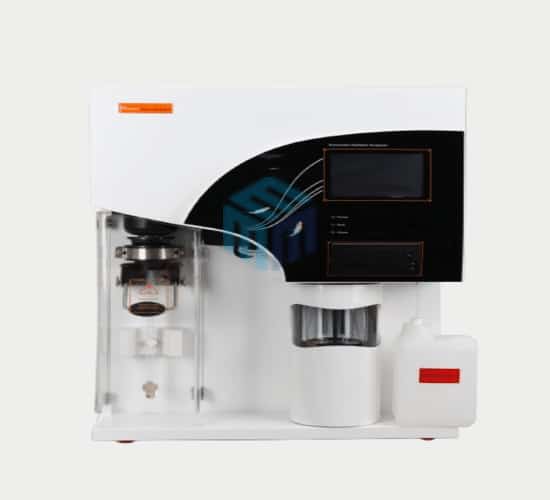
Nitrogen analysis is a fundamental aspect of analytical testing in laboratories across Australia, particularly in the food, agricultural, pharmaceutical, and environmental sectors. The measurement of nitrogen is commonly used to calculate protein content, assess soil fertility, evaluate chemical composition, and meet regulatory standards. Two primary methods dominate this testing field: the Kjeldahl method and the Dumas method. But which is right for your lab?
This guide compares both techniques, their advantages and limitations, and how to choose the best nitrogen protein analyzer for your workflow.
What Is Nitrogen Analysis?
Nitrogen analysis is the scientific process of measuring the amount of nitrogen present in a substance. It’s widely used across agriculture, food science, environmental studies, chemistry, and industry to understand composition, quality, and safety.
Importance of Nitrogen/Protein Analysis in Food, Agriculture, and Environmental Testing
Whether you’re ensuring accurate nutritional labeling, conducting soil research, or performing environmental quality assessments, nitrogen determination is crucial.
- Food labs use nitrogen/protein testing for quality control and compliance.
- Agricultural labs rely on it for soil fertility analysis and fertilizer efficiency.
- Environmental labs assess nitrogen compounds in water and air.
Choosing between Dumas nitrogen analyzers and Kjeldahl nitrogen analyzers can significantly impact testing efficiency, accuracy, and lab safety.
The Dumas Method Explained (Principle & Process)
The Dumas method, also known as combustion analysis, is a rapid technique for determining nitrogen content. It involves high-temperature combustion of a sample, where nitrogen compounds are converted into nitrogen gas (N₂), which is then quantified using a thermal conductivity detector.
This method has gained popularity in high-throughput labs due to its speed, automation, and minimal chemical handling.
Overview of the Two Primary Methods: Kjeldahl vs. Dumas
The Kjeldahl and Dumas methods are the two primary techniques for nitrogen analysis, differing in principle, accuracy, speed, and environmental impact.
| Feature | Kjeldahl Method | Dumas Method |
|---|---|---|
| Reaction Type | Wet chemistry (digestion) | Combustion (dry method) |
| Time per Analysis | 1–2 hours | 3–8 minutes |
| Chemicals Used | Sulfuric acid, sodium hydroxide | None (gas-based detection) |
| Automation | Manual to fully automatic | Fully automatic |
| Protein/Nitrogen Conversion | Yes | Yes |
| Accuracy | High (reference method) | High |
| Environmental Impact | Higher (uses toxic reagents) | Lower (eco-friendly) |
Principle & Chemistry Behind Kjeldahl Nitrogen Determination
The Kjeldahl method relies on three stages:
- Digestion: Sample is digested with sulfuric acid and a catalyst to convert organic nitrogen into ammonium sulfate.
- Distillation: Ammonia is released using sodium hydroxide and collected in boric acid.
- Titration: Ammonia is quantified using a standard acid.
This classic method is recognised as a reference technique by many global standards (AOAC, ISO, etc.).
Types of Kjeldahl Analyzers
Kjeldahl analyzers come in manual, semi-automatic, and fully automated types, offering varying levels of efficiency, precision, and workflow integration for nitrogen determination.
- Manual Kjeldahl analyzers: Require manual handling during all stages.
- Semi-automatic: Automate distillation or titration.
- Automatic Kjeldahl nitrogen analyzers: Fully automate digestion, distillation, and titration, reducing operator exposure and improving consistency.
Popular Product: SOX606 Automatic Kjeldahl Nitrogen Analyzer
Key Components of Kjeldahl Analyzers
Key components of Kjeldahl analyzers include the digestion unit, distillation system, titration module, and control interface, all working together for accurate nitrogen measurement.
- Digestion Unit (e.g., SH420F): Heats sample in sulfuric acid.
- Distillation Unit: Separates ammonia from digested sample.
- Titration Unit: Determines nitrogen amount via acid titration.
Understanding the key components of Kjeldahl analyzers ensures accurate nitrogen and protein analysis, enhancing reliability, efficiency, and precision in laboratory testing.
Chemical Waste From Kjeldahl Analysis
Kjeldahl analysis continues to be a benchmark technique in many Australian labs, especially in food and dairy testing. However, it generates considerable chemical waste that must be handled responsibly. Before choosing a Kjeldahl system, it’s important to understand the waste implications and associated disposal obligations.
- Hazardous Chemicals Used in the Kjeldahl Method
Kjeldahl digestion requires concentrated sulphuric acid (H₂SO₄), catalysts such as copper sulphate, selenium, or mercury-based compounds, and strong alkali solutions. These chemicals produce corrosive and toxic waste that cannot be disposed of through standard drainage systems. Many Australian laboratories now prefer safer catalysts, but the responsibility for compliant disposal remains.
- High-Volume Liquid Waste Output
Each Kjeldahl run produces acidic and alkaline waste streams. For high-throughput labs in Australia—such as dairy QA/QC, animal feed producers, breweries, and environmental labs—this can accumulate rapidly. Waste neutralisation systems or third-party disposal services become essential.
- Increasing Pressure to Reduce Lab Waste
Australian food and chemical laboratories are increasingly assessed against sustainability benchmarks and green-lab initiatives. Institutions and private testing facilities are prioritising methods that reduce hazardous waste volumes. This trend is contributing to a slow but noticeable shift toward combustion-based nitrogen analysis such as the Dumas technique.
Looking to upgrade to a safer and more efficient nitrogen testing workflow? Contact M-Kube for guidance on selecting the right analyser for your application.
Applications of Kjeldahl Analysis
Kjeldahl analysis is widely applied in food and beverage testing for protein content, agricultural research for soil and fertilizer evaluation, pharmaceuticals for compound analysis, and environmental studies for monitoring nitrogen levels in water and waste.
- Food & Beverage: Meat, dairy, grains
- Agriculture: Soil, plant material, fertilizer
- Petrochemical/Environment: Oils, water, sludge.
Kjeldahl analysis finds wide-ranging applications across industries, providing precise nitrogen and protein measurements that drive quality control, regulatory compliance, and product development.
Principle & Chemistry Behind Dumas Nitrogen Determination
In the Dumas method, the sample is burned at ~900–1000°C in an oxygen-rich environment. All nitrogen in the sample is converted into nitrogen gas, which is separated from other combustion gases and detected using a thermal conductivity detector (TCD).
No harsh chemicals are involved, and the method is often preferred in labs focused on sustainability and speed.
Types of Dumas Analyzers
Dumas analyzers are available in benchtop, fully automated, and high-throughput models, designed to meet diverse laboratory needs for rapid, precise, and eco-friendly nitrogen and protein analysis.
- Dumas nitrogen analyzers: For nitrogen/protein determination
- Dumas elemental analyzers: Analyze multiple elements (C, H, N, S, O)
Applications of Dumas Analysis
Dumas analysis is commonly used in food and feed testing, agriculture for soil and fertilizer nitrogen assessment, pharmaceuticals for compound verification, and environmental labs for rapid, accurate nitrogen determination.
- High-throughput labs: Thousands of samples/day
- Pharmaceuticals: API analysis, intermediates
- Petrochemical/Research: Advanced material testing, fuels
Dumas analysis offers rapid and accurate nitrogen and protein determination, making it invaluable for quality control, research, and regulatory compliance across diverse industries.
Energy Use & Consumables in Dumas Analysis
The Dumas method has gained popularity due to its speed, automation, and elimination of liquid chemical waste. While more energy-intensive during combustion, it offers operational advantages that align with long-term efficiency goals.
- High-Temperature Combustion but Faster Throughput
Dumas analysers operate at extremely high temperatures, often above 900–1,000°C. Although energy consumption is higher per run, the method requires only a few minutes for each analysis. For laboratories in Australia with large sample loads, this translates to lower per-sample energy cost over time.
- Consumables Are Simple and Predictable
Unlike Kjeldahl, Dumas analysis uses only a few consumables:
- Combustion tubes
- Gas filters
- Carrier gases (helium or argon; some instruments support nitrogen)
These consumables are generally cleaner, safer to handle, and simpler to store than acid-based reagents.
- Reduced Labour & Operational Risk
Dumas systems are almost fully automated. No reflux heating, acid handling, or manual titration is required. This reduces operator time, minimises training requirements, and significantly lowers the risk of laboratory accidents.
Want to lower consumable costs and improve testing speed? M-Kube supplies advanced nitrogen analysers suitable for all compliance-driven Australian laboratories.
Head-to-Head Comparison: Key Differences Between Dumas & Kjeldahl
The Dumas Method and the Kjeldahl Method are the two most widely used techniques for nitrogen analysis. While both aim to measure nitrogen content, they differ significantly in process, speed, accuracy, safety, and application.
The Kjeldahl and Dumas methods differ in principle, speed, accuracy, sample preparation, environmental impact, and suitability for various nitrogen-containing compounds, making each method ideal for specific laboratory needs.
Core Differences at a Glance
| Feature | Dumas Method | Kjeldahl Method |
|---|---|---|
| Principle | High-temperature combustion | Chemical digestion & distillation |
| Speed | Very fast (minutes per sample) | Slow (1–2 hours per sample) |
| Automation | Fully automated | Mostly manual or semi-automated |
| Chemicals Used | No hazardous chemicals | Uses sulfuric acid & catalysts |
| Safety | High safety | Chemical handling risks |
| Accuracy | Very high | Very high |
| Environmental Impact | Eco-friendly | Chemical waste generation |
| Nitrogen Types Measured | Total nitrogen | Organic nitrogen + ammonia |
| Operational Cost | High initial equipment cost | Low equipment, higher labor cost |
Accuracy & Precision
Both methods provide high accuracy, though Kjeldahl is still the global reference standard. Dumas offers excellent reproducibility, especially in automation.
Speed & Throughput
- Kjeldahl: Slower (1–2 hours/sample)
- Dumas: Much faster (3–8 minutes/sample)
Sample Types & Limitations
- Kjeldahl struggles with nitrate-containing samples.
- Dumas handles a wider range but may under-recover nitrogen from certain substances.
Safety & Environmental Impact
- Kjeldahl involves hazardous chemicals.
- Dumas is safer, cleaner, and more environmentally friendly.
Cost Considerations
- Kjeldahl analyzers: Lower initial cost, but higher consumable and labour costs.
- Dumas analyzers: Higher upfront cost, but lower operational expenses in high-volume labs.
Understanding the key differences between Kjeldahl and Dumas methods helps laboratories choose the most suitable technique for accurate, efficient, and application-specific nitrogen and protein analysis.
Choosing the Right Nitrogen Analyzer for Your Lab
Choosing the right nitrogen analyzer for your lab depends on factors like sample type, throughput requirements, accuracy needs, environmental considerations, and budget, ensuring optimal performance and reliable results for your specific applications.
Factors to Consider: Dumas Nitrogen Analyzers
- Sample volume: Best for high-throughput labs
- Speed: Ideal where fast turnaround is critical
- Safety: Fewer chemical hazards
- Cost: Justified by efficiency in large labs
When to Choose Kjeldahl Nitrogen Analyzer?
- If regulatory agencies require reference methods
- When budget constraints favour lower capital investment
- For labs with lower sample volumes
When to Choose Dumas Nitrogen Analyzer?
- For time-sensitive, high-volume labs
- If minimal chemical handling is a priority
- When sustainability and automation are key factors
Safety & Environmental Regulations You Must Follow
Australian labs must comply with strict chemical-handling and waste-management regulations. Choosing between Dumas and Kjeldahl often comes down to which method aligns best with your facility’s compliance obligations.
- Chemical Safety Obligations for Kjeldahl Facilities
Under Australian WHS regulations and state EPA guidelines, laboratories must:
- Provide acid-handling PPE (face shields, chemical aprons, gloves)
- Maintain proper fume extraction during digestion
- Store sulphuric acid and catalysts in compliant chemical cabinets
- Document waste disposal pathways under EPA-approved procedures
Non-compliance can result in penalties, especially for industrial food and environmental labs.
- Gas Handling Requirements for Dumas Systems
While Dumas removes the challenge of chemical waste, labs must follow safety codes related to compressed gases. This includes proper storage cages, regulator checks, and regular equipment audits. However, these requirements are generally simpler and lower risk than handling hot, corrosive acid digest solutions.
- Sustainability Expectations in Australian Testing Labs
Climate-conscious operations are now a key focus for universities, food processors, mining labs, and government-accredited facilities. The move toward greener instrumentation continues to influence procurement decisions. Dumas analysis is increasingly favoured for:
- Zero liquid chemical waste
- Lower environmental impact
- Safer long-term operation for staff
Need help navigating Australian regulations? M-Kube’s technical team can guide you on WHS compliance, EPA-approved waste management, and laboratory instrument setup.
Conclusion
Both the Dumas and Kjeldahl methods are reliable and widely accepted techniques for nitrogen analysis, but the right choice depends on your laboratory’s priorities, workflow, and regulatory requirements.
The Kjeldahl method remains a trusted standard in many industries due to its long history, regulatory acceptance, and accuracy in determining organic nitrogen. However, it is time-consuming, labor-intensive, and involves hazardous chemicals, making it less suitable for high-throughput or modern automated labs.
In contrast, the Dumas method offers a faster, cleaner, and more automated approach to nitrogen determination. It significantly reduces analysis time and eliminates the need for corrosive reagents, making it ideal for laboratories focused on speed, safety, and efficiency. However, its higher initial equipment cost and limited acceptance in some legacy standards may be a consideration.