
Frying oil quality plays a critical role in food safety, taste, cooking performance, and operational costs, especially in restaurants, food trucks, and commercial kitchens. Repeated heating and continuous frying can gradually degrade cooking oil, leading to the formation of unwanted compounds that affect food quality and may increase health risks.
Relying only on colour, smell, or appearance is not always enough to determine whether frying oil is still suitable for use. This is where a cooking oil tester becomes essential. Cooking oil testing devices, including TPM meters and digital oil testers, help accurately measure oil quality and identify the right time for replacement.
In this guide, we explain how to measure frying oil quality, key parameters such as Total Polar Materials (TPM), and the different methods used to monitor oil condition for safer and more efficient frying operations.
Why Frying Oil Quality Matters for Safety & Cost Control
Over time, frying oil breaks down due to high temperatures, moisture, and food particles. This degradation not only affects the taste and texture of food but also introduces potentially harmful compounds. Regular oil quality testing ensures that oil remains within safe and acceptable limits.
Cooking Oil Quality Parameters
Monitoring the quality of frying oil is essential for food safety, taste, and cost efficiency. Various chemical and physical parameters indicate oil degradation, helping determine when oil should be replaced or maintained. Understanding these parameters ensures consistent product quality and prolongs the life of the frying oil.
1. Total Polar Materials (TPM)
TPM measures the total breakdown products formed during frying, including oxidized and polymerized compounds. High TPM levels indicate that the oil is deteriorating and may negatively affect food flavor, color, and safety. Many regulations suggest discarding oil when TPM reaches 24–27%.
2. Free Fatty Acids (FFA) / Acid Value
FFA indicates the degree of hydrolysis in the oil. As oil breaks down, triglycerides convert into free fatty acids, which increase the acidity. High FFA levels can lead to off-flavors and faster oxidation, signaling that the oil is no longer suitable for frying.
3. Peroxide Value
Peroxide value measures the initial oxidation of oils, indicating the presence of peroxides and hydroperoxides. A rising peroxide value shows that the oil is oxidizing, which can eventually produce harmful compounds and smoke during frying.
4. Smoke Point
The smoke point is the temperature at which oil begins to smoke and break down. As oil degrades, the smoke point decreases, making it unsafe for high-temperature frying. Monitoring smoke point helps prevent off-flavors and harmful fumes.
5. Color and Clarity
Darkening of oil or increased cloudiness indicates accumulation of food particles and breakdown products. While color alone is not a precise measure, it serves as a quick visual indicator of oil quality.
6. Sensory Characteristics
Changes in smell and taste can also indicate oil degradation. Rancid or burnt odors are signs that the oil has exceeded safe use and should be replaced immediately.
Health Risks of Degraded Cooking Oil
Degraded oil contains increased levels of Total Polar Materials (TPM), Free Fatty Acids (FFA), and oxidised compounds, all of which may pose health risks such as inflammation, cardiovascular strain, or gastrointestinal issues. Monitoring oil quality is critical in ensuring food safety and avoiding these risks.
Benefits of Using a Cooking Oil Tester
Using a cooking oil tester offers quick, accurate, and reliable assessment of oil quality, helping kitchens and food industries detect oxidation, rancidity, or excessive reuse. This ensures food safety, consistent taste, and healthier cooking, while also reducing waste and optimizing oil usage, ultimately saving costs and maintaining compliance with hygiene standards.
- Ensures consistent food quality
- Helps meet Food Standards Australia New Zealand (FSANZ) guidelines
- Reduces unnecessary oil replacement, saving costs
- Promotes sustainability and waste reduction
Best Practices for Frying Oil Management
Below are recommended strategies for optimising oil use and integrating cooking oil testing equipment into your workflow.
- Select Appropriate Testing Tools
- Test strips / chemical kits — low cost, simple to use, suitable for quick spot checks in smaller kitchens
- TPM oil testers / TPM cooking oil testers — measure total polar materials more precisely
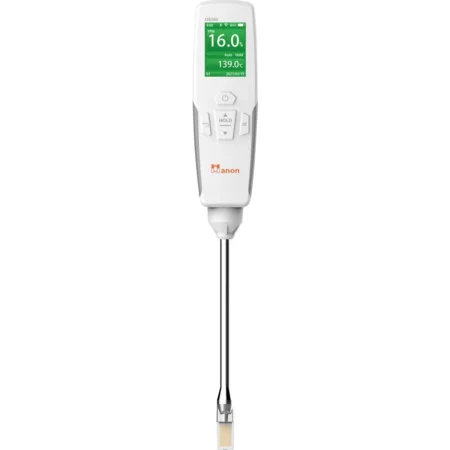
- Digital cooking oil testers — fast, accurate, often with built-in temperature sensors and data logging
When choosing, balance cost vs accuracy and volume of frying. For busy commercial operations, a digital cooking oil testing kit or TPM meter is often justified.
- Establish a Testing Schedule
- Test oil at regular intervals (e.g. every 2–4 hours, depending on load)
- Always test after stabilising oil temperature (i.e. when oil is at frying temperature)
- Record readings and flag when oil approaches threshold
- Filter & Maintain Oil
- Remove food particles regularly
- Use fine mesh or pressure filtering systems
- Avoid overheating and prolonged idle heat to reduce degradation
- Rotate & Top Up Rather Than Replace Entirely
If degradation is moderate, consider partial top-up with fresh oil, provided TPM / FFA levels remain acceptable.
- Train Staff & Document Procedures
- Train kitchen staff on using the testing kit or digital tester properly
- Maintain logs or charts for TPM readings
- Define clear action thresholds
- Calibrate & Validate Equipment
- Recalibrate digital testers as per manufacturer instructions
- Occasionally validate with reference oil samples or lab methods
Types of Cooking Oil Testing Equipment
Different types of cooking oil testing equipment are available in the market, catering to varied needs and budgets.
Chemical Test Strips (Test Kits)
These are the simplest form of cooking oil test kits, typically using a colour chart to indicate oil degradation. They are affordable but may lack accuracy for professional settings.
TPM Oil Testers (Total Polar Materials)
TPM testers offer a more precise method to measure oil degradation by evaluating the concentration of polar compounds. These are particularly useful for commercial kitchens and QSRs.
Digital Cooking Oil Testers
These devices provide fast, accurate digital readings of TPM levels, temperature, and sometimes FFA. A good digital cooking oil tester is easy to use, hygienic, and reusable, making it ideal for regular testing.
Portable vs. Benchtop Testing Equipment
- Portable testers are compact, battery-operated, and ideal for on-site or mobile food operations.
- Benchtop units are suitable for labs or industrial setups where high-volume, precise testing is required.
How to Test Cooking Oil Quality?
To test cooking oil quality, check its color, smell, and taste—fresh oil is clear with a neutral aroma. You can also perform a simple foam or smoke test; excessive foaming or low smoke point indicates degradation. For more precise results, use a test kit to measure the oil’s free fatty acid or total polar compound levels.
Using a Cooking Oil Test Kit
Step-by-Step Process
- Dip the test strip into hot oil (as per instructions).
- Wait for the recommended reaction time.
- Compare the strip colour with the indicator chart.
Interpreting Results
The darker the colour, the higher the oil degradation. Test kits usually come with guidelines that help determine whether the oil is still usable or needs replacing.
How to Use a TPM Cooking Oil Tester
Using a TPM (Total Polar Materials) cooking oil tester allows chefs and food industry professionals to accurately measure the degradation level of frying oils in real time. By detecting excessive polar compounds, it helps determine when oil is no longer safe for use, ensuring food safety, maintaining flavor quality, and preventing health risks associated with overused oils. Regular use of a TPM tester also optimizes oil usage, reduces waste, and supports compliance with industry hygiene standards, making it an essential tool in commercial kitchens and food processing operations.
How TPM Measurement Works
TPM testers measure the concentration of polar compounds in the oil. As frying continues, these polar substances increase, indicating oil degradation.
TPM Levels Explained: What Is a Safe Frying Oil Range?
-
0–16% TPM: Fresh to lightly used oil — optimal frying performance
-
17–22% TPM: Oil aging — monitor closely and increase testing frequency
-
23–24% TPM: Near discard level — quality and taste begin to decline
-
≥25% TPM: Recommended disposal threshold in many countries
When TPM exceeds safe limits, oil may produce excessive smoke, off-flavors, darker food colour, and potentially harmful degradation by-products.
Why TPM Testing Matters
Relying only on visual cues can lead to premature disposal or unsafe overuse. Measuring TPM provides an objective, data-driven way to:
-
Ensure food safety compliance
-
Maintain consistent taste and texture
-
Avoid unnecessary oil replacement costs
Regular TPM monitoring helps commercial kitchens balance quality, safety, and cost efficiency.
Using a Digital Cooking Oil Tester
Using a digital cooking oil tester provides a fast, precise, and user-friendly way to monitor oil quality in kitchens and food processing facilities. With easy-to-read digital displays, it measures parameters like total polar materials (TPM) or oil degradation levels, helping determine the right time to replace frying oil. This ensures food safety, consistent taste, and healthier meals, while also reducing oil waste, saving costs, and maintaining compliance with hygiene and regulatory standards.
Advantages of Digital Testing
- Provides accurate, real-time readings
- Saves costs by extending oil life
- Reduces human error compared to test strips
- Many models include temperature sensors and auto shut-off features
Calibration and Accuracy
High-end models come pre-calibrated, but occasional recalibration ensures optimal performance.
Frying Oil Quality Testing Methods Comparison
Different testing methods measure different aspects of frying oil degradation. Rapid methods are useful for routine monitoring, while laboratory methods provide more detailed analysis.
| Testing Method | What It Measures | Speed | Best For |
|---|---|---|---|
| Visual & Sensory Check | Colour, odour, foaming, smoke | Very Fast | Daily preliminary checks |
| Oil Quality Test Strips | FFA or oxidation indicators | Fast | Quick screening |
| TPM Tester | Total Polar Materials | Fast | Restaurants and commercial kitchens |
| FFA Testing | Free fatty acids | Moderate | Oil degradation monitoring |
| Peroxide Value (PV) | Primary oxidation products | Moderate | Oxidation assessment |
| Laboratory Analysis | Detailed chemical degradation | Slow | Quality control and validation |
Which Method Should You Choose?
- For restaurants and commercial kitchens: A TPM tester provides quick, on-site results for routine oil monitoring.
- For quick screening: Test strips are simple and convenient for checking oil condition.
- For detailed analysis: Laboratory testing is suitable when precise chemical information is required.
- For routine quality control: TPM testing provides a practical way to monitor frying oil degradation and support oil replacement decisions.
Using the right testing method helps maintain consistent frying quality, reduce unnecessary oil replacement, and support food safety and cost control.
Cooking Oil Testing for Restaurants, Food Trucks and Commercial Kitchens
Cooking oil testing is essential for restaurants, food trucks, and commercial kitchens to maintain food quality, improve safety, and reduce operating costs. Frequent frying causes oil to degrade over time, affecting taste, texture, and cooking performance.
Using a cooking oil tester or TPM meter helps food businesses monitor oil condition accurately and determine the right time for replacement instead of relying on visual inspection alone.
Regular oil testing helps:
- Maintain consistent food quality
- Reduce unnecessary oil waste
- Improve food safety standards
- Optimise frying efficiency
- Control operational costs
Digital cooking oil testers are particularly useful for high-volume kitchens, catering services, food trucks, and commercial food operations.
When Should Frying Oil Be Replaced?
You should change frying oil when it becomes dark, develops a rancid smell, or smokes at lower temperatures than usual. Excessive foaming or a bitter taste in fried foods also signals it’s time for fresh oil. Regularly changing oil ensures better flavor and safer cooking. Here are the industry standards:
Industry Standards for Oil Replacement
Most Australian kitchens replace oil at or before 25% TPM. This aligns with best practices in Europe, Japan, and North America. Some venues may adopt a stricter 22% TPM limit for health-conscious consumers.
Signs of Degraded Oil: Darkening Colour, Rancid Smell, Excessive Foaming
Understanding the visual, olfactory, and physical changes in your frying oil is the first line of defence.
- Darkening Colour
- Fresh frying oil usually has a light, golden hue. But as it degrades, it tends to darken significantly, becoming reddish-brown or even syrupy in texture.
- This colour change is not just cosmetic: it’s a sign of polymerisation, oxidation, and other chemical changes that increase the concentration of polar compounds.
- Rancid or Off Smell
- A sour, acrid, metallic, or “painty” odour signals that the fats in the oil have broken down into volatile aldehydes, ketones, or other degraded products.
- Rancidity is a reliable indicator that free fatty acids (FFA) and other breakdown products are accumulating.
- Excessive Foaming
- Foaming often happens because degraded oil accumulates oxygenated polar compounds that have a strong affinity for water.
- When moisture from food (especially battered or breaded items) comes into contact with old oil, it can trigger vigorous foaming or frothing.
- Persistent foam can also be a sign of decreased oil stability and may lead to safety or quality issues.
These sensory cues (colour, smell, foam) give you a quick real-world check, but they don’t always tell the full story — which is why using a cooking oil tester is essential for accurate monitoring.
Legal Limits for TPM in Different Countries
Legal limits for Total Polar Materials (TPM) vary by country, typically ranging from 24% to 27%, ensuring frying oil remains safe for consumption and compliant with food safety regulations.
| Country | Maximum TPM Allowed |
|---|---|
| Australia | 25% (recommended) |
| Germany | 24% |
| Japan | 25% |
| France | 27% |
Choosing the Right Cooking Oil Testing Equipment
Choosing the right cooking oil testing equipment depends on your needs—quick test strips or handheld meters are ideal for routine checks, while lab analyzers offer precise measurements of free fatty acids and polar compounds. Ensure the device is easy to use, accurate, and suitable for the type and volume of oil you handle. These are factor to considers:
Factors to Consider When Selecting a Cooking Oil Tester
- Accuracy: TPM measurement is more reliable than visual indicators
- Ease of Use: Look for single-button operation and digital displays
- Cost: Balance initial investment with long-term savings
- Compliance: Ensure equipment meets Australian safety standards
Best Cooking Oil Testers in the Market
Some of the most trusted brands include:
- OS280 Digital Cooking Oil Tester
- 270 TPM Oil Tester
- FOM 330
You can explore the OS280 Cooking Oil Tester, a reliable digital TPM tester suited for fast-paced kitchens.
Cooking Oil Supplier Recommendations
When selecting a cooking oil supplier, it’s essential to prioritize quality, consistency, and regulatory compliance. Look for suppliers who offer high-grade, food-safe oils with transparent sourcing and batch testing for parameters like acidity, peroxide value, and free fatty acids. Additionally, reliable suppliers provide timely delivery, competitive pricing, and technical support, ensuring your kitchen or food processing operation maintains healthy, flavorful, and safe frying oil at all times. Choosing the right supplier not only safeguards food quality but also helps optimize costs and maintain operational efficiency.
Equipment Lifespan: When to Replace or Service Your Tester
Measuring oil quality is only effective if your tester itself is accurate, reliable, and well maintained. Here are key factors to consider regarding the lifespan and maintenance of your oil-testing equipment.
1. Calibration & Accuracy: Digital or TPM (Total Polar Material) testers should be calibrated periodically, as per the manufacturer’s instructions. Without calibration, readings can drift, leading to false “safe” readings or premature oil discard. Some testers allow validation using reference oil samples or standard solutions; regular validation helps maintain confidence in your measurements.
2. Probe or Sensor Maintenance: If your tester has a probe (e.g., for inserting into hot oil), make sure to clean it after every use. Oil residue can build up and affect future readings. In high-use kitchens, inspect the probe for wear, corrosion, or mechanical damage. A damaged probe can give incorrect readings and potentially mislead staff.
3. Service Intervals: Based on usage, you should create a maintenance schedule. For example, in a busy kitchen, service your tester more frequently (e.g., quarterly) to avoid drift or breakdown. Some high-end testers (especially those used in labs or food-safety-critical operations) may benefit from annual professional servicing, which could include cleaning, replacement of internal components, and recalibration.
4. Replacement Timing: If your tester repeatedly gives out-of-range readings, or if calibration fails, it may be time to replace it. Also consider upgrading if newer models offer better features (e.g., Bluetooth data logging, more accurate TPM measurement, faster response time).
5. Training & Record-Keeping: Train kitchen staff to use the tester properly (correct oil temperature, insertion depth, timing) to ensure consistent, reliable readings. Maintain a logbook (digital or paper) of test results, calibration dates, maintenance checks, and servicing. Having this documentation helps you make informed decisions about oil life, tester health, and cleanliness protocols.
Troubleshooting Common Issues with Oil Testing Kit
Even the best equipment may yield confusing results or issues. Here’s how to address them.
Inconsistent or Erratic Readings
- Ensure the sensor or probe is clean and not fouled by debris
- Let the oil temperature stabilise before taking reading
- Check the calibration status
False Positives / Unnecessarily High Readings
- Contaminants (crumbs, water) may skew results
- Oil not preheated enough or not properly mixed
- Faulty or worn probe
Overly Conservative Usage
If your TPM threshold is set too low relative to real world conditions, you may discard oil prematurely. Check the manufacturer’s data and align with Australian industry practices (often ~ 25 % TPM).
Slow Reaction Time or Delayed Response
This is more common in basic test strips. Use a digital cooking oil tester or TPM oil tester for faster, more reliable readings.
Sensor Drift Over Time
Frequent recalibration or cross-checks using known oil samples can catch drift. Replace or service equipment if readings start to deviate consistently.
Common Mistakes When Testing Frying Oil
Accurate frying oil testing is essential for maintaining food quality, reducing oil waste, and ensuring food safety. Avoid these common mistakes to obtain reliable test results:
- Testing Oil at the Wrong Temperature – Oil that is too hot or too cold can produce inaccurate TPM readings. Always test within the manufacturer’s recommended temperature range.
- Using a Dirty Probe – Food particles and oil residue on the sensor can affect measurement accuracy. Clean the probe after each use.
- Testing Immediately After Adding Fresh Oil – Wait until the fresh oil has mixed thoroughly with the existing oil before taking a measurement.
- Ignoring Regular Testing Schedules – Infrequent testing may lead to overused oil, poor food quality, and increased operating costs.
- Not Calibrating the Tester – Regular calibration ensures consistent and accurate readings over time.
- Testing Near Food Particles – Avoid placing the probe near crumbs or debris, as they may interfere with the measurement.
- Relying Only on Visual Inspection – Oil may appear clean but still have high TPM levels. Always use a digital cooking oil tester for accurate assessment.
- Failing to Record Test Results – Keeping a log of TPM readings helps monitor oil quality trends and determine the optimal replacement time.
- Using the Wrong Testing Equipment – Select a cooking oil tester that is suitable for your application and capable of measuring the required quality parameters.
- Ignoring Manufacturer Guidelines – Follow the recommended testing procedures and maintenance instructions to ensure accurate, repeatable results.
By avoiding these common mistakes, restaurants, commercial kitchens, and food processing facilities can improve food quality, extend frying oil life, reduce operating costs, and maintain compliance with food safety standards.
Conclusion
In conclusion, using a cooking oil tester is essential for maintaining the safety, flavor, and nutritional quality of frying oils in both commercial and home kitchens. By accurately measuring parameters like Total Polar Materials (TPM) and oil degradation levels, these testers help identify when oil is no longer fit for use, preventing health risks and ensuring compliance with food safety standards. Regular testing not only promotes healthier cooking but also optimizes oil usage, reduces waste, and saves costs, making it a smart and practical tool for anyone serious about food quality.
👉 Ensure your kitchen serves the best and safest food—invest in a reliable digital or TPM cooking oil tester today!