

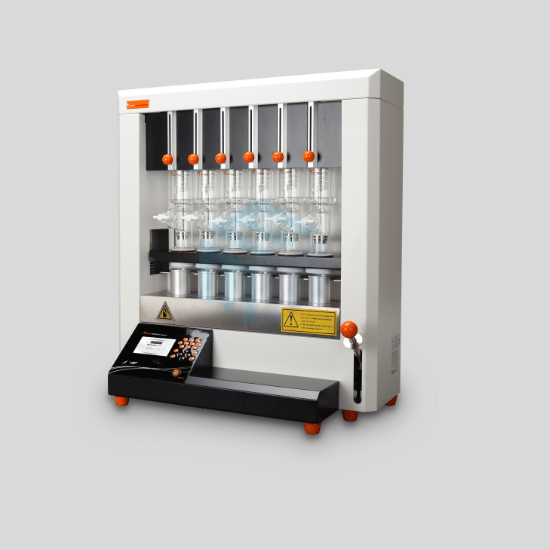
Soxhlet extraction remains one of the most trusted methods for determining fat and oil content in food, feed, environmental, and agricultural samples. However, one common issue laboratories face is sample loss during extraction, which can lead to inaccurate results, repeat testing, wasted solvents, and reduced efficiency. Whether you’re using a traditional Soxhlet extraction apparatus or an Automatic Soxhlet Extractor Fat Analyzer, preventing sample loss is critical for achieving reliable and reproducible data.
In this guide, we’ll explain the most common causes of sample loss — and how Australian laboratories can avoid them.
Why Sample Loss Matters in Soxhlet Extraction
In fat analysis, even small losses can significantly affect final calculations.
Sample loss can result in:
- Incorrect crude fat values
- Poor repeatability
- Failed quality control checks
- Increased testing costs
This is especially important in:
- Food testing laboratories
- Feed analysis labs
- Agricultural research facilities
- Oil and fat processing industries
Using properly configured Soxhlet extraction equipment helps maintain analytical accuracy and laboratory efficiency.
Common Causes of Sample Loss During Soxhlet Extraction
Before solving the problem, it’s important to understand where losses occur.
- Improper Sample Preparation
Uneven grinding or oversized particles can cause incomplete extraction or physical loss during handling.
- Overfilled Extraction Thimbles
Too much sample restricts solvent flow and increases the risk of material overflow.
- Poor Quality Filter Thimbles
Weak or damaged thimbles may rupture during extraction.
- Solvent Boiling Too Aggressively
Excessive heating can cause splashing or sample carryover.
- Incorrect Assembly of the Soxhlet Apparatus
Leaks or poor sealing reduce solvent efficiency and may cause contamination or evaporation losses.
Start with Proper Sample Preparation
Good extraction begins before the sample enters the system.
Best Practices:
- Dry samples to the correct moisture level
- Grind samples uniformly
- Avoid extremely fine powders that may pass through filters
Consistent preparation improves extraction efficiency and reduces the risk of physical material loss.
For laboratories conducting crude fat analysis, sample consistency is one of the biggest factors affecting repeatability.
Don’t Overload the Extraction Thimble
One of the most common mistakes is adding too many samples into the extraction chamber.
Overloading can:
- Restrict solvent circulation
- Cause overflow during siphoning
- Increase sample carryover into the solvent flask
Always follow the recommended sample capacity for your Soxhlet extractor kit or automated system.
Use High-Quality Thimbles and Consumables
Low-quality thimbles can tear or degrade during extraction cycles.
Choose:
- Properly sized cellulose or glass fibre thimbles
- Chemically compatible materials
- Reliable laboratory-grade consumables
This is especially important in high-throughput labs using Automatic Soxhlet Extractor Fat Analyzer systems where consistency matters.
Control Heating and Solvent Boiling Rate
Excessive heating is another major source of sample loss.
If solvent boiling becomes too vigorous:
- Samples may splash out of the thimble
- Solvent carryover increases
- Extraction efficiency becomes inconsistent
A well-designed crude fat analyzer provides controlled heating to maintain stable reflux conditions.
Modern automatic systems significantly reduce operator variability compared to manual setups.
Conclusion: Better Extraction Starts with Better Control
Preventing sample loss during Soxhlet extraction isn’t just about protecting samples — it’s about ensuring accurate, repeatable analytical results.
From proper sample preparation to controlled heating and high-quality equipment, every step influences extraction performance.
Whether you’re operating a traditional Soxhlet extraction apparatus or upgrading to an Automatic Soxhlet Extractor Fat Analyzer, investing in the right procedures and equipment can significantly improve laboratory efficiency and data reliability.
Looking for reliable Soxhlet extraction equipment or crude fat analyzers?
👉 📞 Contact +61-478-594-746 or 📧 email info@mkube.com.au for advanced laboratory solutions across Australia.