

Modern agriculture in Australia isn’t just about rainfall and soil type anymore. It’s data-driven, precision-focused, and increasingly dependent on laboratory insights. One of the most powerful tools behind this shift is Elemental Analysis.
From evaluating fertilizer composition to analysing harvested crops, an advanced Elemental Analyzer helps farmers, agronomists, and research labs make smarter decisions. Let’s explore how elemental testing supports every stage of the agricultural cycle.
Why Elemental Analysis Matters in Agriculture
Healthy crops depend on balanced nutrients, especially carbon (C), hydrogen (H), nitrogen (N), sulfur (S), and oxygen (O). Even small imbalances can affect:
- Crop yield
- Soil fertility
- Protein content
- Plant growth rate
- Environmental compliance
A reliable chemical analysis device ensures that nutrients are measured accurately, not estimated. In a country like Australia, where soil conditions vary dramatically from region to region, this precision is critical.
Stage 1: Fertilizer Development and Quality Control
Before fertilizer reaches the farm, it must be tested for nutrient content. This is where a CHNS Analyzer or CHNOS elemental analyzer plays a central role.
What’s Measured?
- Nitrogen content for plant growth
- Sulfur levels for protein synthesis
- Carbon balance in organic fertilizers
- Oxygen ratios for compound verification
A chns elemental analyzer ensures fertilizers meet formulation claims and regulatory standards. This prevents underperformance in the field and protects growers from inconsistent product batches.
For manufacturers and agricultural labs, using reliable chemical analysis equipment improves both compliance and customer trust.
Stage 2: Soil Testing for Nutrient Management
Soil testing has evolved far beyond pH measurement. Today, Elemental Analysis supports:
- Organic carbon measurement
- Nitrogen availability assessment
- Sulfur deficiency detection
- Soil organic matter evaluation
A chns o elemental analyzer provides fast and reproducible results that help agronomists recommend precise fertilizer dosing.
Why does this matter?
Over-fertilising wastes money and increases environmental runoff. Under-fertilising reduces yield potential. Accurate elemental data helps strike the perfect balance.
Stage 3: Crop Growth Monitoring
As crops grow, nutrient uptake must be monitored. Elemental testing of plant tissue allows farmers to:
- Identify nitrogen deficiency
- Monitor sulfur balance
- Assess carbon-to-nitrogen ratios
- Improve crop protein content
In grain production, nitrogen content directly influences protein levels.
A modern Elemental Analyzer provides high-speed analysis with excellent repeatability, allowing agricultural research centres to process multiple samples efficiently.
Stage 4: Harvest and Quality Assurance
After harvest, elemental testing supports:
- Grain protein validation
- Oilseed sulfur analysis
- Feed quality assessment
- Organic certification verification
In livestock feed production, nitrogen content determines crude protein levels. A chns elemental analyzer helps ensure accurate nutritional labelling and consistent product performance.
For export markets, maintaining strict quality standards is non-negotiable. Reliable chemical analysis equipment strengthens traceability and compliance documentation.
How a CHNS Analyzer Works
Most modern systems operate on combustion analysis principles:
- Sample combustion at high temperature
- Gas separation
- Detection via thermal conductivity or other detectors
- Quantitative elemental calculation
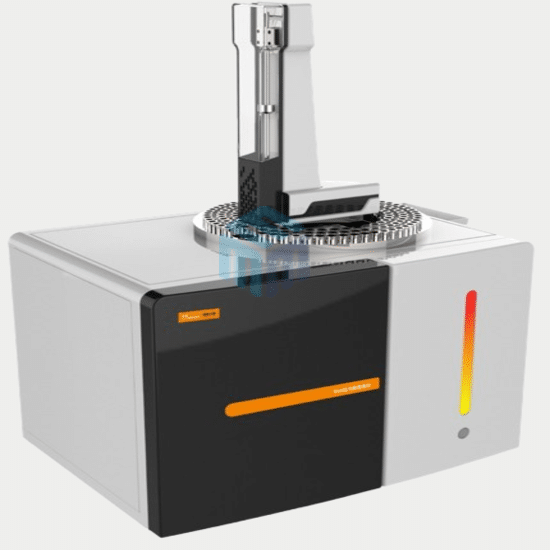
An advanced chnos elemental analyzer can simultaneously measure multiple elements in one run reducing analysis time and improving lab efficiency.
Automatic calibration, digital reporting, and minimal operator intervention make these systems ideal for high-throughput agricultural labs.
Final Thoughts
From fertilizer formulation to final harvest quality checks, Elemental Analysis plays a vital role in modern Australian agriculture.
As the industry moves toward data-driven farming, reliable chemical analysis equipment such as a chns elemental analyzer or chnos elemental analyzer becomes more than a lab instrument it becomes a strategic investment.
Precision testing supports:
- Higher yields
- Better crop quality
- Sustainable farming practices
- Stronger export competitiveness
In today’s agricultural landscape, informed decisions begin in the laboratory.
Ready to Upgrade Your Agricultural Testing Lab?
Looking for a reliable Elemental Analyzer for fertilizer, soil, or crop testing?
👉 📞 Contact +61-478-594-746 or 📧 email info@mkube.com.au for expert guidance and tailored solutions across Australia.